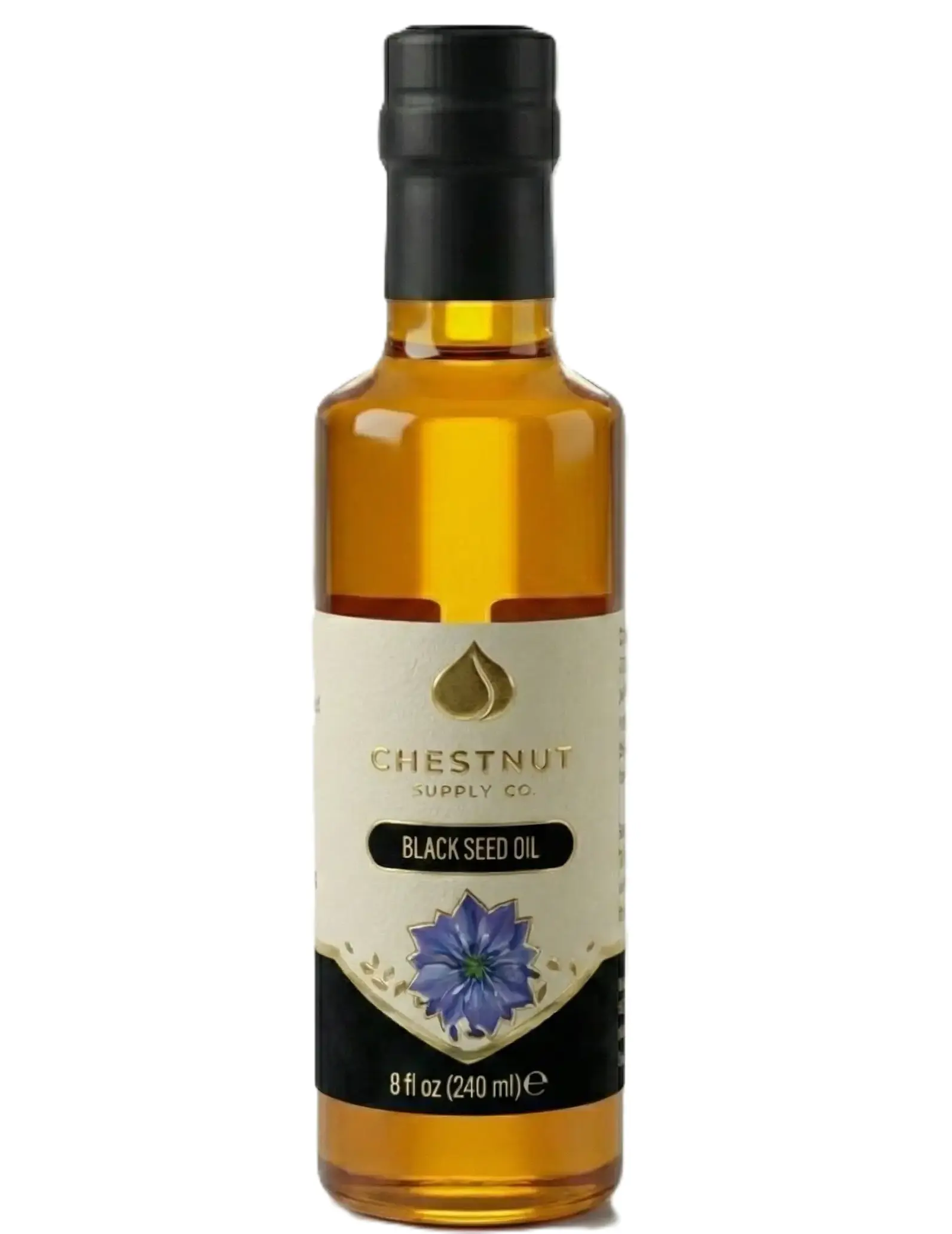
This guide is for buyers evaluating cold-pressed black seed oil for edible oil, supplement-related, private label, cosmetic, or wholesale applications. It explains which documentation points to review before purchase, including COA, TQ percentage, fatty acid profile, batch/lot information, and intended-use requirements.
What Buyers Should Review Before Ordering
Start with the intended application, required documentation, packaging needs, order size, and lot traceability. For edible oil, supplement-related, cosmetic, or private label projects, buyers should complete their own labeling and compliance review before confirming production or resale plans.
COA and Batch Documentation
A current Certificate of Analysis helps buyers review identity, lot details, and quality references for the oil being supplied. Match the COA to the lot number, product name, origin, and extraction method before approving a purchase order.
TQ Percentage as a Quality Reference
Thymoquinone, often shortened to TQ, is commonly reviewed as part of black seed oil documentation. Use TQ percentage as a batch quality reference for sourcing comparison, not as consumer guidance. Values can vary by seed source, production method, and lot.
Fatty Acid Profile and Oil Identity
Fatty acid profile supports ingredient identity and batch comparison. Buyers can use it alongside botanical name, INCI where relevant, origin, extraction method, aroma, color, and lot records to confirm whether the oil matches project requirements.
Intended Use, Labeling, and Compliance Review
Available documentation should be reviewed against the buyer’s intended use, labeling plan, market channel, and applicable compliance requirements. Claims, directions, and final positioning belong to the finished product owner and should be reviewed before launch.
Questions to Ask Before a Bulk or Private Label Order
- Is current-lot COA available for review?
- Is SDS available for handling and workplace documentation?
- Is TQ information or fatty acid profile available for the lot?
- What origin, extraction method, packaging, and lot records are provided?
- Which documentation points need verification for the buyer’s intended use?
Related Buyer Resources
- TQ Documentation Guide — how buyers review TQ values before purchasing.
- Cold-Pressed vs Expeller-Pressed Guide — extraction method context for sourcing review.
- Skincare Formulation Guide — quality and documentation review for skincare projects.
- Cosmetic Formulation Guide — ingredient identity and buyer documentation review.
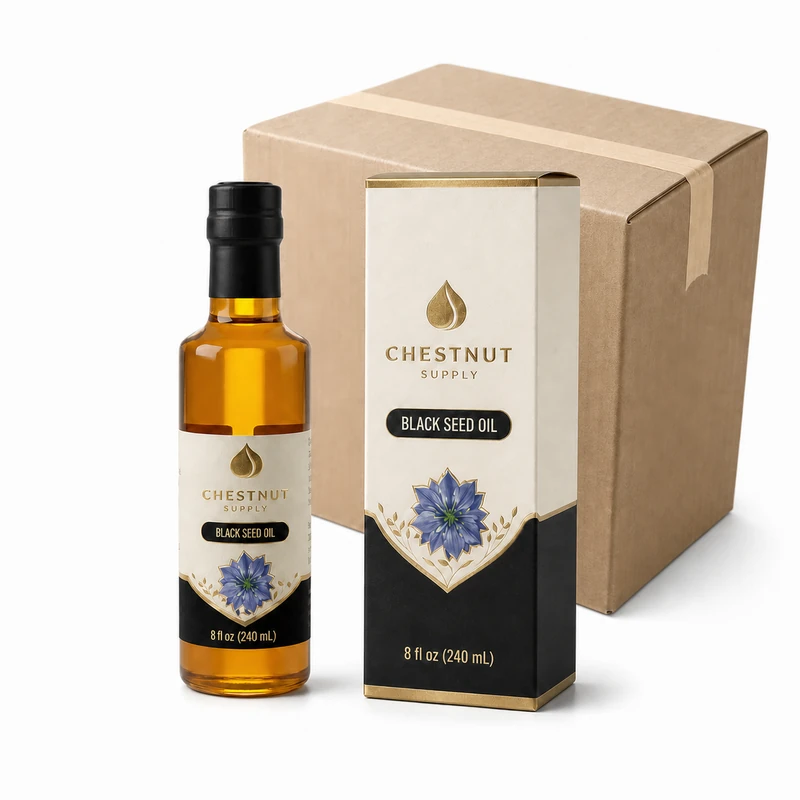
- Buy Cold-Pressed Black Seed Oil (8oz & 16oz) — retail bottles available online; bulk and wholesale inquiry available.
Need documentation before ordering?
Request available COA, SDS, TQ information, fatty acid profile, and lot details for cold-pressed Turkish black seed oil stocked in the USA.
Request Documentation / Bulk Quote →