Online ordering is temporarily unavailable. Contact us for availability and wholesale support.

Thymoquinone Percentage Comparison: How to Evaluate Black Seed Oil Quality

Thymoquinone content is the single most important quality indicator for black seed oil. Here is how to read the numbers.

If you have been researching black seed oil, you have likely seen brands advertising their thymoquinone (TQ) percentage. Numbers like “2% TQ,” “5% TQ,” or even “10% TQ” appear on labels and marketing materials — but what do these numbers actually mean, and how do you separate genuine quality from marketing hype?

This guide explains everything you need to know about thymoquinone percentages so you can make informed purchasing decisions. Visit our Black Seed Oil collection to see products with verified TQ content.

What Is Thymoquinone?

Thymoquinone (TQ) is a phytochemical compound naturally found in the seeds of Nigella sativa (black cumin). It is the most studied bioactive compound in black seed oil, with thousands of published research papers examining its properties.

TQ belongs to a class of compounds called quinones. In the plant, it serves as a defense mechanism. In the extracted oil, it is the compound most responsible for black seed oil’s distinctive peppery bite and the properties that have made it valued in traditional wellness practices across Middle Eastern, South Asian, and North African cultures for centuries.

Typical TQ Percentage Ranges

Understanding the realistic range of thymoquinone content helps you evaluate claims critically:

TQ RangeWhat It MeansTypical Source
0.1–0.5%Low — likely degraded or poor-quality seedsSolvent-extracted, old stock, or low-quality origin
0.5–1.0%Below average — acceptable but not premiumExpeller-pressed or heat-exposed during processing
1.0–2.0%Good — standard for quality cold-pressed oilCold-pressed from decent seeds
1.5–3.0%Very good — premium qualityCold-pressed from premium Turkish or Ethiopian seeds
3.0–5.0%Exceptional — rare, verify with COAOptimal harvest, perfect extraction, fresh stock
5.0%+Suspect — likely concentrated extract, not pure oilTQ-enriched products, not standard cold-pressed oil

Key point: Pure, cold-pressed black seed oil from premium seeds typically contains 1.5–3.0% thymoquinone. Claims of 5% or higher in a “pure” oil should be verified with independent lab testing, as these levels are unusual for unmodified cold-pressed oil.

What Affects TQ Content

Seed Origin

Where the Nigella sativa seeds are grown significantly impacts TQ content. Turkish and Ethiopian seeds are generally regarded as having the highest natural thymoquinone levels. Indian and Egyptian seeds tend to test lower, though quality varies by farm and harvest.

Our black seed oil is sourced from premium Turkish Nigella sativa, which consistently produces oil in the higher TQ ranges.

Extraction Method

As covered in our Cold Pressed vs Expeller Pressed guide, extraction temperature directly impacts TQ preservation. Cold pressing at temperatures below 49°C preserves maximum thymoquinone. Expeller pressing and solvent extraction both reduce TQ through heat exposure.

Seed Freshness & Storage

Thymoquinone degrades over time, especially when exposed to light, heat, or oxygen. Freshly harvested seeds extracted promptly produce oil with higher TQ than seeds that have been stored for months in poor conditions. The finished oil also loses TQ over time if stored improperly.

Harvest Timing

Seeds harvested at optimal maturity contain more TQ than seeds harvested too early or too late. Experienced growers know the precise window for maximum bioactive content.

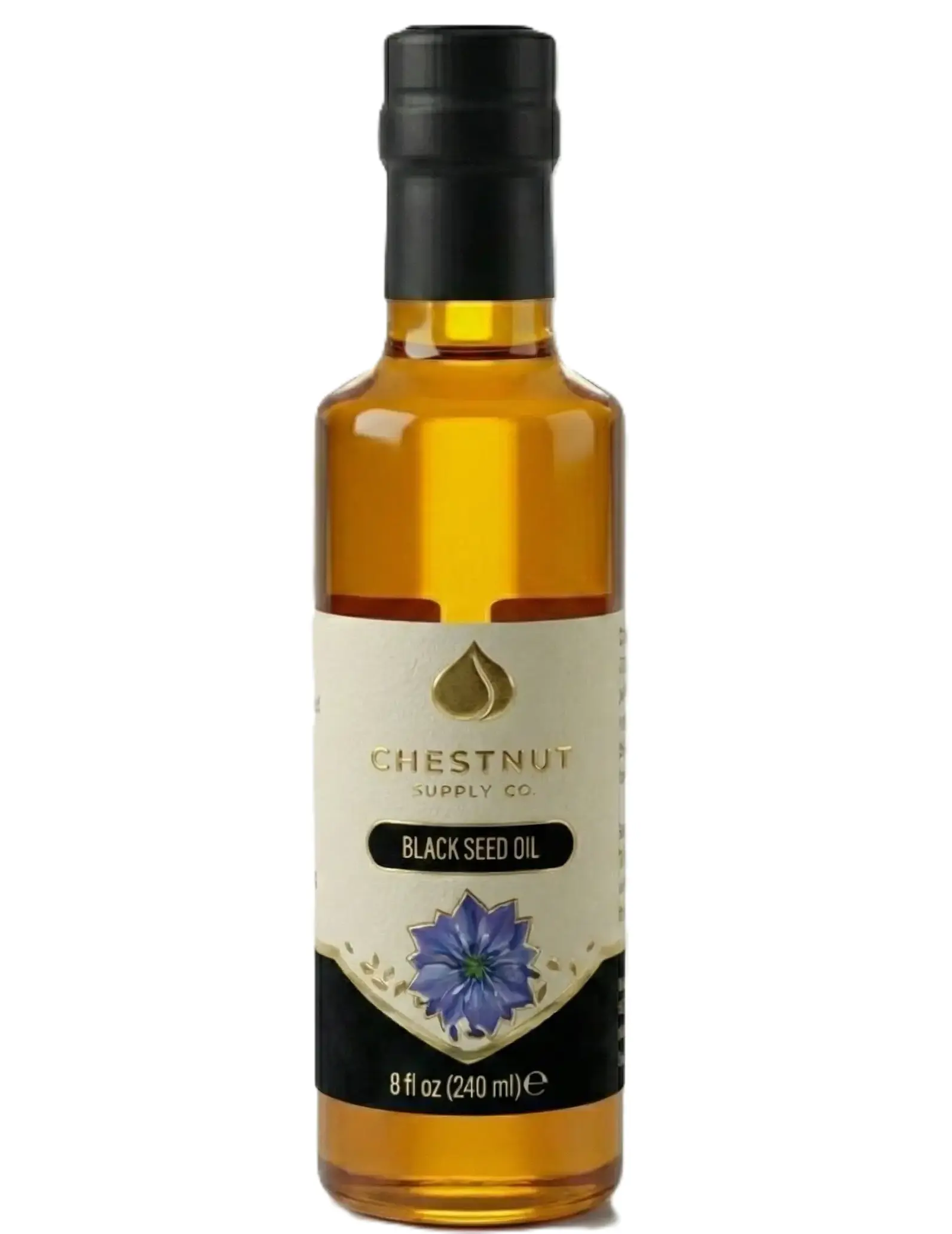
Premium TQ Content

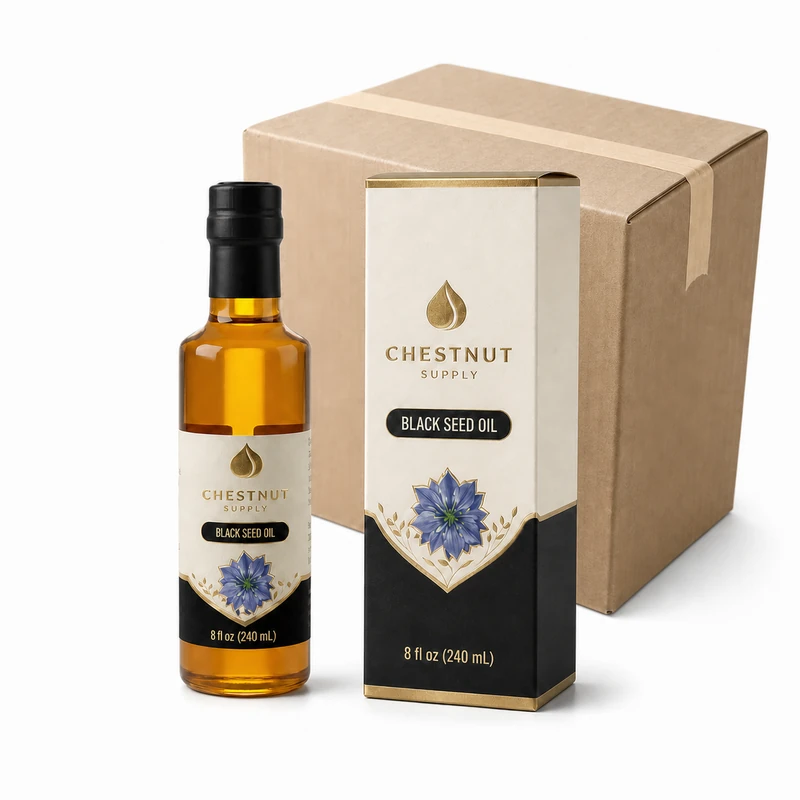
Shop Our Black Seed Oil

Cold-pressed Turkish Nigella sativa with verified thymoquinone content.

Reading a Certificate of Analysis (COA)

A Certificate of Analysis is a document from an independent laboratory that verifies the composition of a product. For black seed oil, a proper COA should include:

  • Thymoquinone percentage — The headline number. Should be tested via HPLC (High Performance Liquid Chromatography), the gold standard for TQ analysis.
  • Fatty acid profile — Breakdown of linoleic, oleic, palmitic, and other fatty acids. Confirms the oil is genuinely from Nigella sativa.
  • Peroxide value — Measures oxidation. Lower is better. High peroxide values indicate the oil has been exposed to heat or air.
  • Free fatty acid (FFA) — Indicates freshness. Lower values mean fresher oil.
  • Heavy metals — Should show non-detectable or trace levels of lead, arsenic, cadmium, and mercury.
  • Microbial testing — Confirms the oil is free from harmful bacteria and mold.

If a brand cannot provide a COA upon request, that is a significant red flag. Reputable suppliers are happy to share lab documentation.

Red Flags & Misleading Claims

The black seed oil market has its share of misleading marketing. Watch for these red flags:

  • “10% thymoquinone” in pure oil — This is extremely unlikely in unmodified cold-pressed oil. Products making this claim are either TQ-enriched concentrates (which should be clearly labeled as such) or the claim is not backed by independent testing.
  • No COA available — If the company cannot provide third-party lab results, you have no way to verify their claims.
  • “Cold pressed” with no specifics — Some expeller-pressed oils are labeled “cold pressed” because no external heat was applied, even though the mechanical process itself generates significant heat.
  • Unusually low price — Genuine cold-pressed black seed oil from premium seeds has a baseline cost. If the price seems too good to be true, it probably is — the oil may be diluted, expeller-pressed, or solvent-extracted.
  • No origin specified — Reputable brands state where their seeds are sourced. Vague labels suggest the company is not confident in or transparent about their supply chain.

What to Look For When Buying

When evaluating black seed oil based on thymoquinone content, look for:

  • TQ between 1.5–3.0% — This is the realistic premium range for cold-pressed oil
  • HPLC-tested COA — Available on request from the supplier
  • Specified origin — Turkish or Ethiopian seeds are consistently the highest quality
  • Cold-pressed extraction — Below 49°C, single-pass mechanical extraction
  • Dark glass or opaque bottle — TQ degrades in light, so proper packaging matters
  • Recent production date — Fresher oil means higher TQ retention

For businesses sourcing black seed oil for retail, formulation, or private label, our wholesale black seed oil program includes COA documentation and competitive volume pricing.

Frequently Asked Questions

What is a good thymoquinone percentage in black seed oil?
For pure, cold-pressed black seed oil, a thymoquinone content of 1.5–3.0% is considered premium quality. Levels above 5% in supposedly pure oil should be verified with independent lab testing.
How is thymoquinone measured?
Thymoquinone is most accurately measured using HPLC (High Performance Liquid Chromatography). This is the gold standard testing method. Be cautious of brands that claim high TQ without specifying their testing methodology.
Does Turkish black seed oil have higher thymoquinone?
Turkish and Ethiopian Nigella sativa seeds are generally regarded as producing oil with the highest natural thymoquinone levels, though quality varies by farm, harvest, and extraction method.
Can thymoquinone percentage decrease over time?
Yes. TQ degrades when exposed to light, heat, and oxygen. Store black seed oil in a dark glass bottle in a cool, dark place and use within 12–18 months of production for optimal TQ content.
What is a Certificate of Analysis (COA)?
A COA is a document from an independent laboratory that verifies a product's composition. For black seed oil, it should include thymoquinone percentage, fatty acid profile, peroxide value, and contaminant testing.
Are TQ-enriched black seed oils better?
TQ-enriched products are concentrated extracts, not standard cold-pressed oil. They serve a different purpose and should be clearly labeled as concentrates. For general use, high-quality cold-pressed oil with natural TQ levels of 1.5–3.0% is ideal.

Premium Black Seed Oil with Verified TQ

Cold-pressed Turkish Nigella sativa. COA available on request. Fast USA shipping from Georgia.