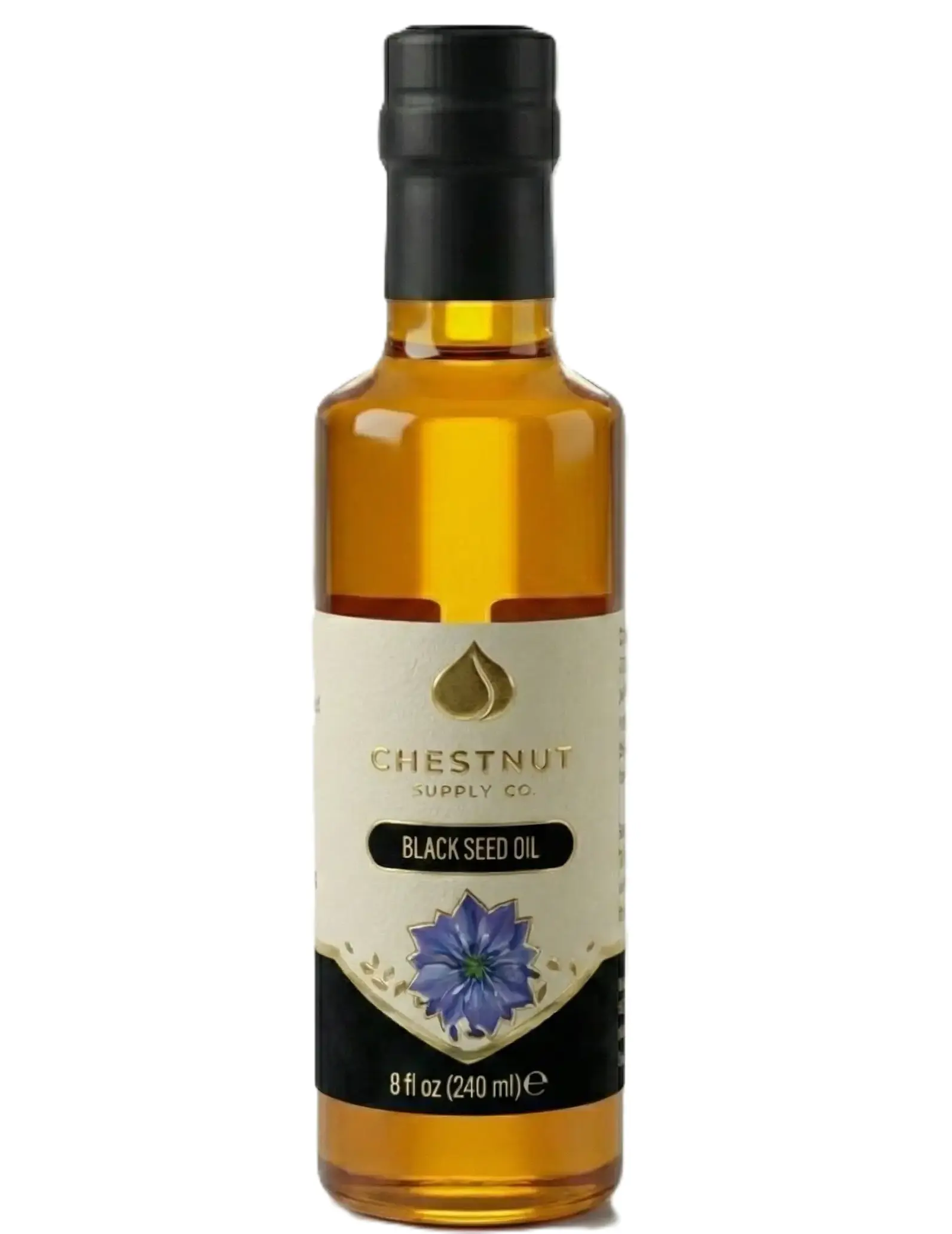
This guide is for cosmetic formulators, private label buyers, and wholesale ingredient buyers evaluating cold-pressed black seed oil as an ingredient. It focuses on oil identity, documentation, formulation review, and buyer compliance considerations rather than consumer result claims.
Black Seed Oil as a Cosmetic Formulation Ingredient
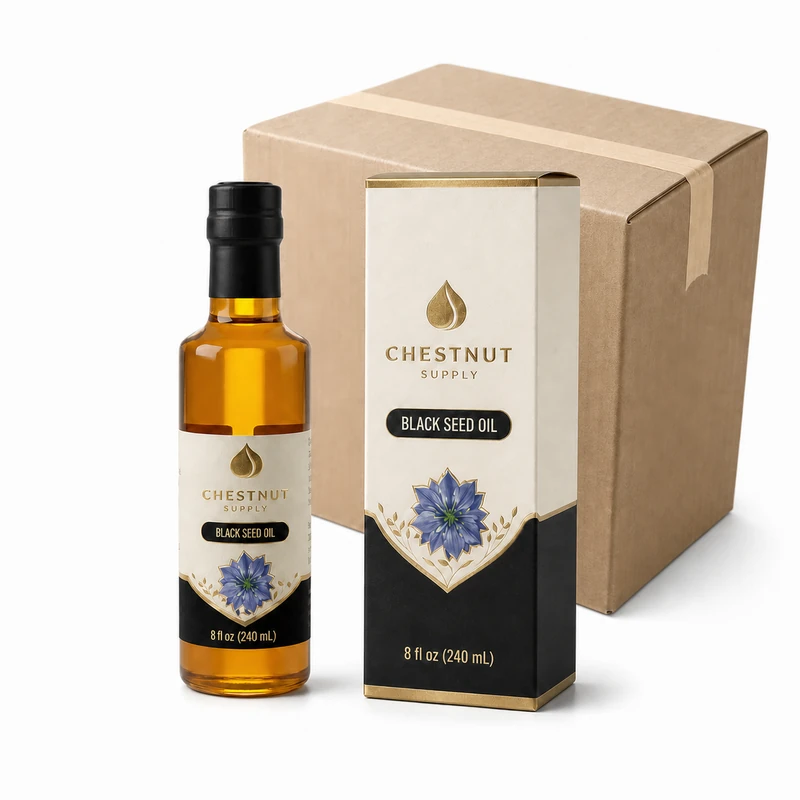
Black seed oil is a dark, aromatic carrier oil pressed from Nigella sativa seeds. In cosmetic and personal-care projects, buyers usually review it for ingredient identity, sensory profile, batch consistency, and compatibility with the rest of a finished formula.
For retail or private label launches, finished-product claims should come from the brand’s own testing, label review, and applicable compliance process.
INCI, Botanical Name, and Ingredient Identity
Typical documentation should identify the ingredient as Nigella Sativa Seed Oil for INCI use, with botanical name Nigella sativa. Buyers should confirm the extraction method, origin, lot code, and whether the paperwork matches the oil being purchased.
Aroma, Color, Texture, and Formulation Considerations
Cold-pressed Turkish black seed oil has a characteristic dark color and peppery, herbal aroma. Those traits can be useful in natural-positioned formulas, but they should be evaluated against fragrance direction, packaging, oxidation control, and the finished product’s texture goals.
Formulators commonly review blend compatibility with lighter carrier oils, emulsified systems, rinse-off products, and oil-based formats. Inclusion levels should be set through the buyer’s own formulation and stability review.
Fatty Acid Profile and Batch Consistency
Fatty acid profile helps buyers compare lots, assess consistency, and document ingredient identity. It should be reviewed alongside the COA, TQ information where available, origin details, and any buyer-specific quality requirements.
COA, SDS, and Lot Documentation
Before confirming a cosmetic, private label, or wholesale order, request available COA, SDS, TQ information, fatty acid profile, and lot-specific documentation. Make sure the document dates, lot numbers, and product name align with the inventory being shipped.
Finished-Product Claims Must Be Validated by the Brand
Supplier documentation can support ingredient review, but it does not replace finished-product testing or label review. Brands should validate any cosmetic positioning through their own formulation work, claims substantiation, and regulatory review.
Related Buyer Resources
- Black Seed Oil Documentation Guide — COA, TQ, intended-use, and lot review.
- Skincare Formulation Guide — quality and documentation review for skincare projects.
- TQ Documentation Guide — how buyers read TQ values before purchasing.
- Cold-Pressed vs Expeller-Pressed Guide — extraction method context for sourcing review.
- Shop Our Pure Black Seed Oil for Hair — cold-pressed Turkish Nigella sativa, 8oz & 16oz, ships from Georgia.