Online ordering is temporarily unavailable. Contact us for availability and wholesale support.

Cold Pressed vs Expeller Pressed Black Seed Oil: What Actually Matters

The extraction method determines the quality. Here is why cold-pressed wins on every metric that counts.

When shopping for black seed oil (Nigella sativa), the label usually says “cold pressed” or “expeller pressed.” Both are mechanical extraction methods — no chemical solvents involved — but they are not the same process, and the differences affect the oil you end up with.

This guide explains exactly what happens during each extraction method, how it impacts the oil’s composition, and why the distinction matters when you are evaluating quality. If you want to browse our full range first, visit the Black Seed Oil collection.

How Each Method Works

Cold Pressing

Cold pressing uses a hydraulic or screw press to crush Nigella sativa seeds at controlled low temperatures, typically below 40–49°C (104–120°F). The process is slow and yields less oil per batch, but the low heat protects the oil’s delicate bioactive compounds from thermal degradation.

True cold pressing is a single-pass process: seeds go in, oil comes out. There is no re-pressing, no added heat, and no pre-treatment of the seeds.

Expeller Pressing

Expeller pressing also uses mechanical force, but through a continuously rotating screw (expeller) that generates significantly more friction and heat. Temperatures can reach 65–100°C (149–212°F) during extraction. The higher pressure extracts more oil from each batch, making expeller pressing more efficient and less expensive per liter.

Some producers label expeller-pressed oil as “cold pressed” if no external heat was applied, even though the mechanical process itself generates substantial heat. This labeling ambiguity is one reason consumers get confused.

Temperature & Heat Exposure

This is the critical difference between the two methods:

FactorCold PressedExpeller Pressed
Typical temperatureBelow 49°C (120°F)65–100°C (149–212°F)
Heat sourceMinimal friction onlyMechanical friction (significant)
External heat added?NoSometimes (pre-heating seeds)
Processing speedSlow, single passFast, continuous
Oil yield per batchLower (25–35%)Higher (35–45%)

Heat is the enemy of polyunsaturated fatty acids and volatile bioactive compounds. The higher the extraction temperature, the more degradation occurs in the finished oil.

Nutrient Retention

Black seed oil contains a complex profile of fatty acids, vitamins, minerals, and phytochemicals. Heat degrades several of these:

  • Essential fatty acids — Linoleic acid (omega-6) and alpha-linolenic acid (omega-3) are sensitive to oxidation at elevated temperatures. Cold pressing preserves the full fatty acid profile.
  • Vitamin E (tocopherols) — A natural antioxidant present in black seed oil. Heat exposure reduces tocopherol content, which also decreases the oil’s shelf stability.
  • Phytosterols — Plant compounds that can degrade or isomerize under heat, reducing their bioavailability.
  • Volatile aromatics — The distinctive peppery aroma of high-quality black seed oil comes from volatile compounds that evaporate at higher temperatures.

Cold-pressed oil consistently retains more of these compounds because the extraction temperature stays below the degradation threshold.

Thymoquinone Content

Thymoquinone (TQ) is the primary bioactive compound in black seed oil and the reason most people seek it out. TQ is heat-sensitive — studies have shown that extraction temperatures above 50°C can reduce thymoquinone content by 15–30% compared to true cold pressing.

This is why thymoquinone percentage is one of the most important quality indicators for black seed oil. A cold-pressed oil from premium Turkish seeds will typically show TQ levels of 1.5–3.0% on a Certificate of Analysis (COA), while expeller-pressed oils from the same seeds often test lower. For a deeper dive, read our Thymoquinone Percentage Comparison Guide.

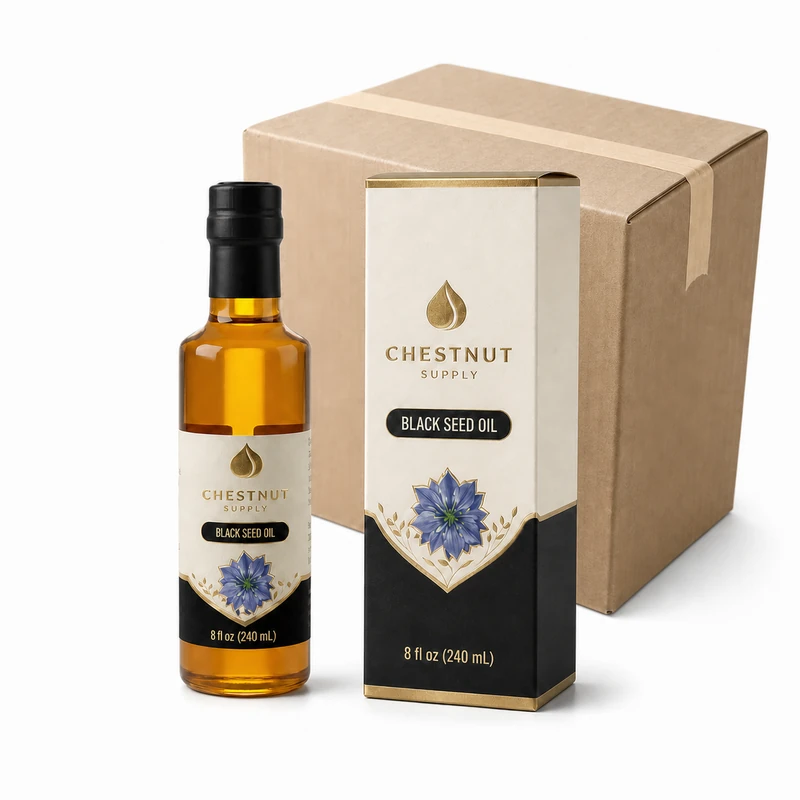
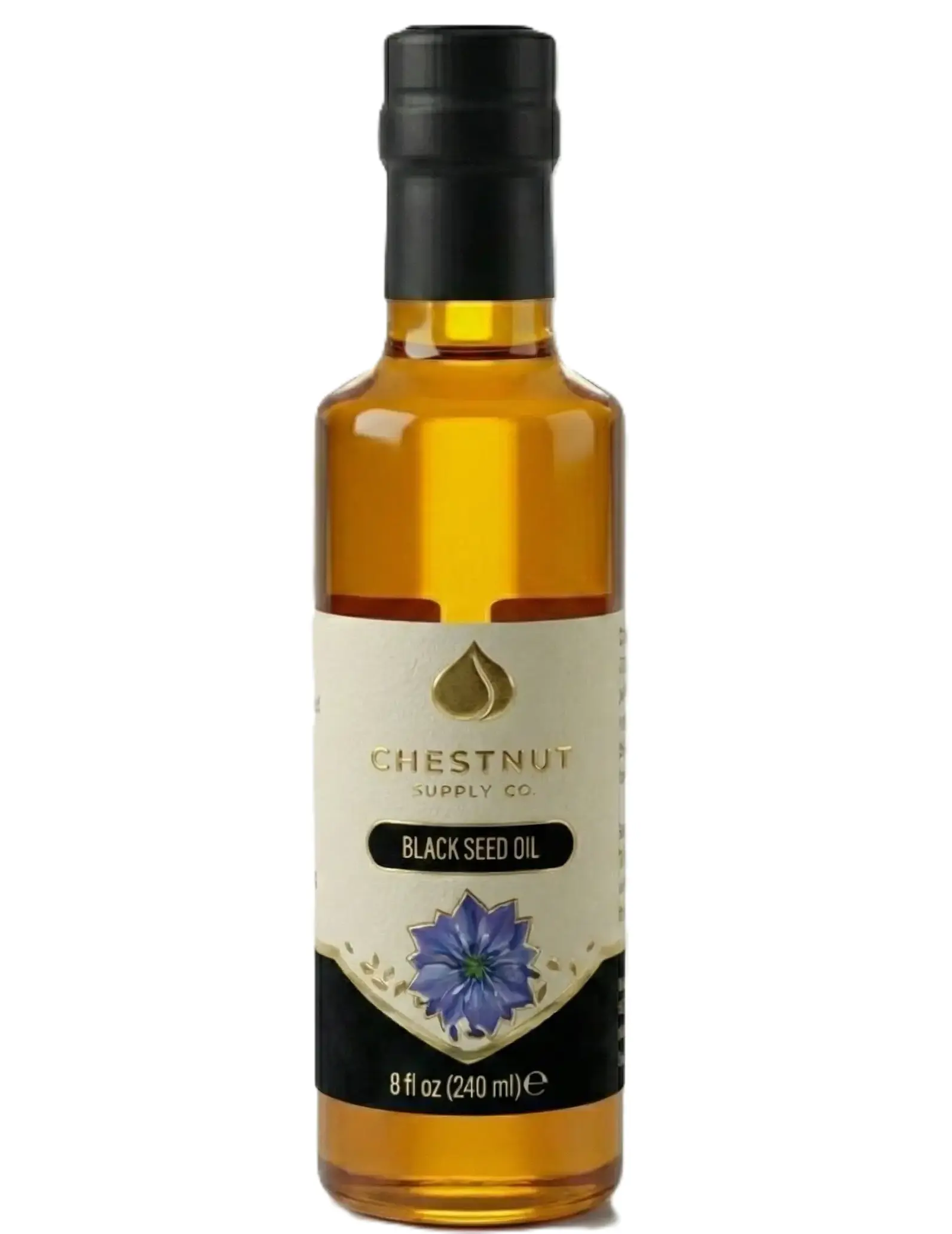
Our cold-pressed black seed oil is extracted at controlled low temperatures specifically to preserve maximum thymoquinone content. COA documentation is available on request.

Shop Cold-Pressed Black Seed Oil

Browse Our Black Seed Oil Collection

Cold-pressed from premium Turkish Nigella sativa. Multiple sizes available.

Taste, Color & Aroma

The sensory differences between cold-pressed and expeller-pressed black seed oil are noticeable:

CharacteristicCold PressedExpeller Pressed
ColorDeep amber to dark goldenLighter, sometimes yellowish
AromaStrong, peppery, herbaceousMilder, less complex
TasteBold, slightly bitter, warmingMilder, sometimes flat
ViscositySlightly thickerThinner

The richer sensory profile of cold-pressed oil is a direct result of the preserved volatile compounds. If your black seed oil tastes bland or has very little aroma, it was likely extracted at higher temperatures.

Price Differences

Cold-pressed black seed oil costs more. The lower yield per batch (25–35% vs 35–45%), slower processing speed, and smaller batch sizes all contribute to higher production costs. Expect cold-pressed oil to cost 20–40% more than expeller-pressed.

However, if you are buying black seed oil for its bioactive compounds — particularly thymoquinone — the lower-priced expeller-pressed option may actually deliver less value per dollar because of reduced nutrient content.

For businesses looking to stock cold-pressed black seed oil, our wholesale program offers volume pricing that makes premium quality accessible at competitive margins.

Which Should You Buy?

Choose cold pressed if:

  • You want maximum thymoquinone content
  • You use black seed oil for its traditional wellness properties
  • You want the full, robust flavor profile
  • You are a formulator or reseller who needs premium quality

Expeller pressed may be acceptable if:

  • You use black seed oil primarily for cooking where it will be heated anyway
  • Budget is the primary concern and nutrient density is secondary

For most buyers, cold-pressed black seed oil is the clear choice. The price difference is modest relative to the quality difference, and you are getting a product that preserves the compounds that make black seed oil worth buying in the first place.

What About Solvent Extraction?

A third extraction method — solvent extraction using hexane or similar chemicals — is used for the cheapest black seed oils on the market. We do not recommend solvent-extracted oil for any purpose. It may contain trace chemical residues, and the aggressive extraction process destroys most of the oil’s beneficial compounds. If a label does not specify “cold pressed” or “expeller pressed,” it may be solvent-extracted.

Frequently Asked Questions

What does "cold pressed" mean for black seed oil?
Cold pressed means the oil is mechanically extracted from Nigella sativa seeds at temperatures below 49°C (120°F), without chemical solvents or added heat. This preserves the oil's natural compounds, including thymoquinone.
Is expeller pressed the same as cold pressed?
No. Expeller pressing uses a rotating screw that generates significantly more heat through friction (65–100°C), which can degrade heat-sensitive compounds like thymoquinone and essential fatty acids.
Why is cold-pressed black seed oil more expensive?
Cold pressing yields less oil per batch (25–35% vs 35–45% for expeller pressing) and requires slower processing. The lower efficiency translates to higher production costs.
How can I tell if my black seed oil is truly cold pressed?
Look for a Certificate of Analysis (COA) from the manufacturer. Genuinely cold-pressed oil will have a strong peppery aroma, deep amber color, and a bold, slightly bitter taste. Bland or mild oil was likely extracted at higher temperatures.
Does the extraction method affect thymoquinone levels?
Yes. Studies show that extraction temperatures above 50°C can reduce thymoquinone content by 15–30%. Cold pressing is the best method for preserving maximum TQ levels.
What is solvent-extracted black seed oil?
Solvent extraction uses chemicals like hexane to dissolve oil from the seeds. It is the cheapest method but may leave trace chemical residues and destroys most bioactive compounds. We do not recommend solvent-extracted oils.

Try Cold-Pressed Black Seed Oil

Premium Turkish Nigella sativa. Cold-pressed to preserve maximum thymoquinone. Fast USA shipping.