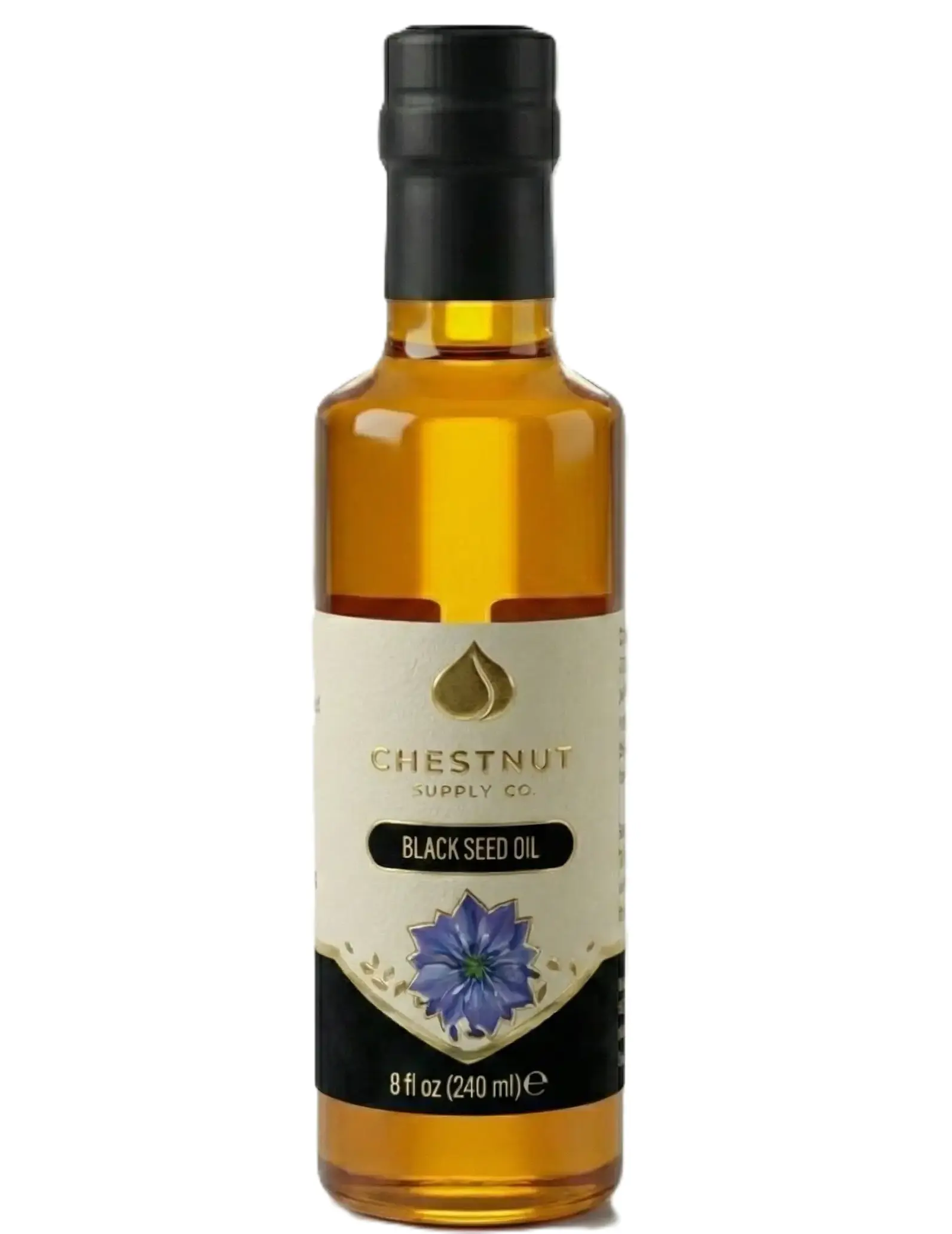
Online ordering is temporarily unavailable. Contact us for availability and wholesale support.

Turkish Black Seed Oil Benefits: Why Origin Matters

Not all black seed oil is the same. Turkish Nigella sativa has distinct advantages rooted in climate, soil, and centuries of cultivation expertise.

Black seed oil (Nigella sativa) is produced in countries across the Middle East, South Asia, North Africa, and the Mediterranean. But among buyers who care about quality — particularly thymoquinone content, purity, and traditional processing standards — Turkish black seed oil consistently ranks at the top.

This guide explains why origin matters, what makes Turkish Nigella sativa different, and how to identify genuinely Turkish-sourced oil. Browse our full Black Seed Oil collection for Turkish-origin options.

Why Turkey?

Turkey has been cultivating Nigella sativa (known locally as çörek otu) for centuries. The country’s unique combination of climate, soil composition, altitude, and agricultural expertise creates growing conditions that produce seeds with consistently high bioactive content.

Turkey is not the largest producer of black seed by volume — that distinction goes to India and Bangladesh. But volume and quality are not the same thing. Turkish production emphasizes quality over quantity, with many farms practicing traditional cultivation methods that prioritize seed potency over maximum yield.

Climate & Growing Conditions

Nigella sativa thrives in specific conditions, and central and southern Turkey provides an near-ideal environment:

  • Mediterranean and continental climate — Hot, dry summers and cold winters create the stress cycle that encourages plants to produce higher concentrations of defensive compounds, including thymoquinone.
  • Mineral-rich soil — Anatolian soils are naturally rich in the minerals that Nigella sativa needs for optimal phytochemical production.
  • Altitude — Many Turkish black seed farms sit at elevations of 500–1,200 meters, where temperature fluctuations and UV exposure drive higher compound concentrations in the seeds.
  • Low rainfall during seed maturation — Dry conditions during the final growth phase concentrate bioactive compounds in the seeds rather than diluting them with water.

Quality & Thymoquinone Content

Multiple comparative studies have found that Turkish Nigella sativa seeds tend to produce oil with thymoquinone content in the 1.5–3.0% range — consistently at the higher end of what cold-pressed oil can achieve naturally. This is significantly above the global average.

Several factors contribute to this:

  • Seed genetics — Turkish farmers have selected and cultivated high-TQ seed varieties over generations.
  • Harvest timing — Experienced Turkish growers harvest at the precise window of seed maturity that maximizes thymoquinone content.
  • Processing standards — Turkish cold-pressing facilities typically operate under EU-adjacent food safety standards, which are stricter than many competing origins.

For detailed information on how to evaluate TQ levels, see our Thymoquinone Percentage Comparison Guide.

Turkish vs Other Origins

OriginTypical TQ RangeStrengthsConsiderations
Turkey1.5–3.0%Highest TQ, premium quality, strict processingHigher cost, smaller production volume
Ethiopia1.0–2.5%Good TQ, growing reputationVariable quality, limited supply chain transparency
Egypt0.8–1.5%Large production volume, competitive pricingGenerally lower TQ, quality varies widely
India0.5–1.5%Lowest cost, highest volumeOften lower TQ, common blending/adulteration
Syria1.0–2.0%Good historical qualitySupply chain disruptions, limited availability

These ranges are generalizations based on available comparative data. Individual farms and batches can vary significantly within any origin. The best verification is always a batch-specific COA.

Turkish Origin Black Seed Oil

Shop Our Turkish Black Seed Oil

Cold-pressed from premium Turkish Nigella sativa seeds.

Traditional Use & History

Black seed (çörek otu) has deep roots in Turkish culture and the broader Islamic and Middle Eastern wellness traditions. It has been used for centuries in Turkish folk medicine, cuisine, and daily life:

  • Culinary use — Sprinkled on breads, pastries, and savory dishes. Turkish çörek (a type of bread) gets its name from the black seeds traditionally pressed into its surface.
  • Traditional wellness — Used in folk remedies across Anatolia for generations, often mixed with honey or consumed as oil.
  • Islamic tradition — Referenced in hadith literature as a remedy with broad traditional significance, which has sustained demand across Muslim-majority communities worldwide.

This deep cultural connection to black seed means Turkish producers have centuries of accumulated knowledge about cultivation, harvest timing, and processing that newer production regions are still developing.

How to Source Genuine Turkish Black Seed Oil

Not every product labeled “Turkish black seed oil” actually comes from Turkey. Here is how to verify:

  • Ask for origin documentation — Reputable suppliers can provide documentation showing where their seeds were grown and processed.
  • Request a COA — A Certificate of Analysis with HPLC-tested thymoquinone percentage confirms quality. Turkish-origin oil should consistently test in the 1.5–3.0% TQ range.
  • Check the supply chain — Does the company import directly from Turkey, or buy from intermediaries? Direct sourcing relationships typically ensure better quality control.
  • Sensory check — Premium Turkish cold-pressed black seed oil has a strong, peppery aroma and a bold, slightly bitter taste. Bland or mild oil is likely from a different origin or was extracted at high temperatures.

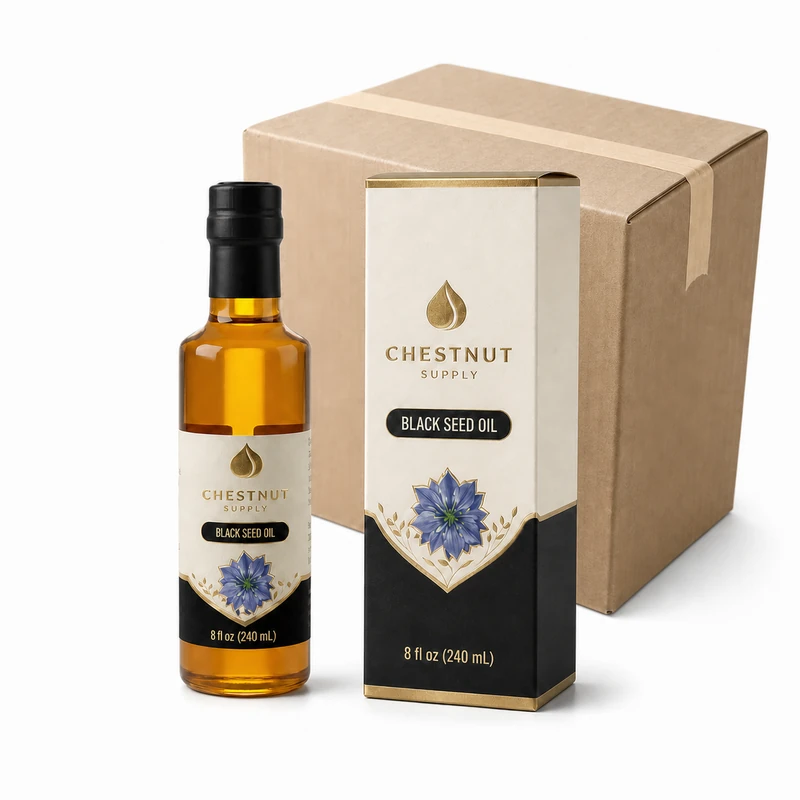
Our black seed oil is sourced directly from Turkish producers and cold-pressed to preserve maximum thymoquinone content. For volume buyers, our wholesale program offers competitive pricing with full supply chain transparency.

Frequently Asked Questions

Why is Turkish black seed oil considered the best?
Turkey's combination of Mediterranean/continental climate, mineral-rich Anatolian soil, optimal altitude, and centuries of cultivation expertise produces Nigella sativa seeds with consistently high thymoquinone content (1.5–3.0%).
Is Turkish black seed oil more expensive?
Yes, typically 20–40% more than Indian or Egyptian alternatives. The higher cost reflects smaller production volumes, higher quality standards, and superior thymoquinone content.
How do I know if black seed oil is really from Turkey?
Ask the supplier for origin documentation and a batch-specific Certificate of Analysis (COA). Genuine Turkish cold-pressed oil will have a strong peppery aroma, deep amber color, and TQ levels in the 1.5–3.0% range.
What is the Turkish name for black seed oil?
In Turkish, black seed oil is called çörek otu yağı (pronounced "cho-rek o-too ya-uh"). The seeds themselves are called çörek otu, referencing the traditional Turkish bread they are sprinkled on.
Can I cook with Turkish black seed oil?
Yes. Black seed oil is used in Turkish cuisine drizzled over salads, yogurt, and hummus, or mixed into smoothies. However, heating reduces thymoquinone content, so it is best used uncooked for maximum benefits.
What is the best way to take black seed oil?
The most common method is taking 1 teaspoon daily, either straight or mixed with honey. It can also be added to smoothies, salad dressings, or applied topically to skin and hair.

Try Premium Turkish Black Seed Oil

Direct from Turkey. Cold-pressed for maximum thymoquinone. Shipped from Georgia, USA.