Laurel berry oil is special in soap making because it is the signature ingredient that has stayed in Aleppo-style formulations for more than 2,000 years. Few carrier oils can deliver the same lather support and conditioning feel in one ingredient while still behaving well in both cold process and hot process work. The challenge is not whether to use it, but how much to use. Many soap makers guess the ratio and miss the bar profile they wanted. This guide closes that gap.
Laurel Berry Oil for Soap Making — shop 1 L & 1.25 gal, US stock →
First: Laurel Berry Oil vs. Bay Laurel Essential Oil
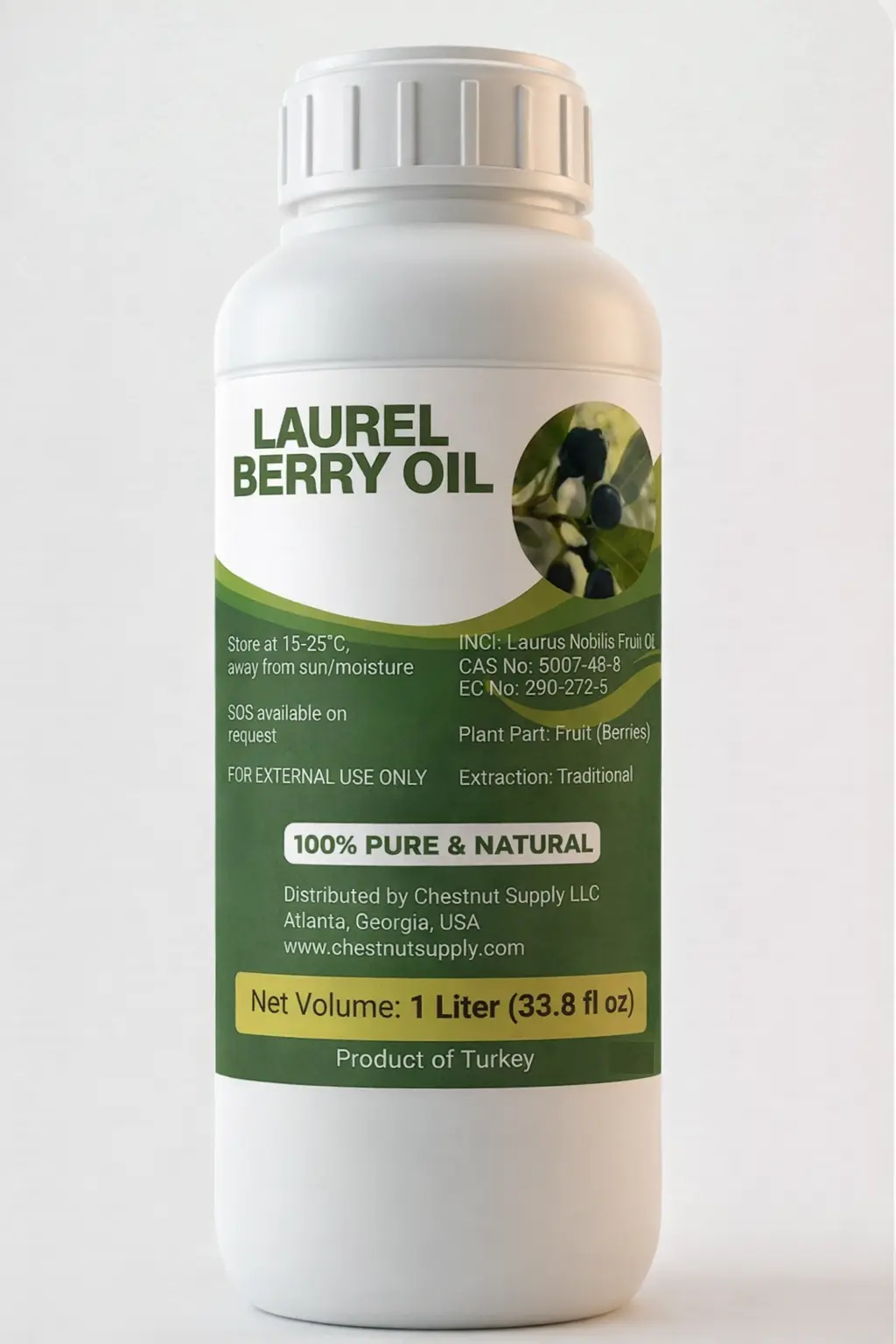
This confusion shows up constantly in maker forums, and it causes expensive formulation mistakes. Laurel Berry Oil, which this guide is about, comes from Laurus nobilis fruit through traditional water extraction. It is a true carrier or base oil, it saponifies, and it belongs in your core oil percentages. It is typically thick, green-brown, and naturally spicy-earthy in aroma. Below about 70°F (21°C), it can solidify. That is normal and not a defect, though it is a property of the oil rather than a proof of authenticity. In SoapCalc, enter it as Laurel Fruit Oil.
Bay Laurel Essential Oil is a different product. It is steam-distilled from leaves, it does not saponify, and it does not replace base oils in a soap recipe. It is used as aromatic support in small amounts and remains a thin volatile liquid. If you mixed these up before, you are not the only one, but the products and use cases are completely different. For a deeper breakdown, see our dedicated guide on laurel berry oil vs laurel leaf essential oil.
Technical Properties for Soap Calculators
For calculator work, use a NaOH SAP value of 0.144 (derived from the lot LBY2025 COA, 201.5 mg KOH/g); the KOH value is 0.202. Both are on our saponification values chart alongside 40 other oils, and you can run a full recipe through our lye calculator, which takes superfat and water as a percentage of oil weight and prints the resulting lye concentration. In practical terms, that means your lye math stays stable when Laurel Fruit Oil is entered correctly in SoapCalc or a Bramble Berry style calculator profile. If you are batching with custom superfat targets, run your numbers with your exact lot assumptions rather than applying generic olive-only defaults.
The fatty acid profile is why this oil behaves differently from straight castile-style formulas. Lauric acid, typically around 10 to 30 percent, supports lather and cleansing character in Aleppo-inspired bars. Oleic acid, typically around 30 to 50 percent, contributes conditioning and a less stripped after-feel. Linoleic acid, typically around 11 to 25 percent, helps keep conditioning lighter and more balanced.
In finished bars, hardness usually lands in a middle zone: stronger than olive-only systems, milder than high-coconut systems. Lather quality is a key upgrade because you get both bubbly and creamy behavior instead of the weak foam many makers struggle with in pure castile runs. Cleansing strength stays moderate when ratio selection is disciplined, so bars can feel clean without becoming harsh. Under good storage conditions, raw oil shelf life is typically around 24 months.
Laurel berry oil also addresses two recurring castile pain points. First, it improves lather in a way customers can feel on first use. Second, at 20 percent and above it may help reduce the slow, stubborn trace behavior that pure olive formulations often show.
The Ratio Guide — Which % for Which Bar?
5 to 12 percent: Gentle and conditioning bar. This range is usually chosen for daily-use bars, sensitive-skin lines, and baby-leaning concepts where makers want mild cleansing with a familiar olive backbone. A common structure is roughly 88 to 95 percent olive oil with 5 to 12 percent laurel berry oil. The result stays close to castile character but with better foam and a more alive wash feel. Cure time often benefits from 6 to 8 weeks for a cleaner finish and better bar life.
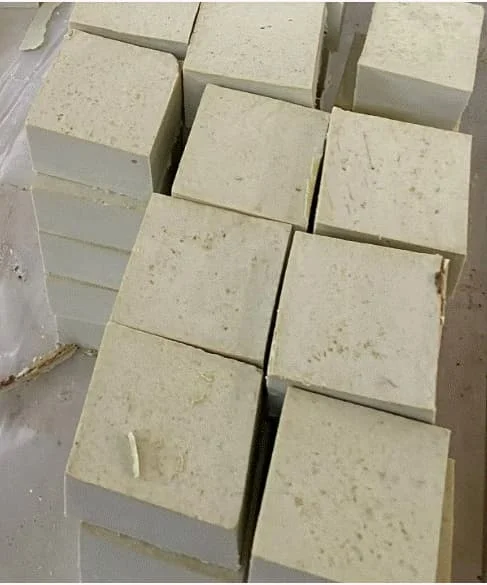
20 to 25 percent: Classic Aleppo style balance. This is the range many makers consider the most instructive and commercially safe when moving from test batches to repeatable production. A typical split is 75 to 80 percent olive oil and 20 to 25 percent laurel berry oil. You get fuller lather, a firmer bar, and the expected green-brown hue with recognizable aroma. Cure can start at 4 to 6 weeks, but many makers prefer 3 months or longer for a more traditional result.
30 to 40 percent: Premium artisan positioning. This range is selected for stronger aromatic identity, denser lather, and premium Aleppo-inspired positioning. A common framework is 60 to 70 percent olive oil with 30 to 40 percent laurel berry oil. The bars usually show deeper color, stronger earthy-spice character, and longer in-shower durability. For traditional-style performance, many experienced makers allow 6 months or more of cure.
Above 40 percent is uncommon and better left to experienced formulators who understand how that shift affects handling, cure, and customer expectation. If you are starting out, 20 to 25 percent is the safest and most educational range to dial in process control.
Ready to source? US stock available.
Water-extracted Turkish laurel berry oil ships from Norcross, GA. COA and SDS available on request — no import wait times.
Cold Process vs. Hot Process — Which Works Better?
Both methods work well with laurel berry oil, but their production behavior differs. In cold process, trace is generally faster than pure castile, yet still manageable for design and fragrance timing. You often get a more comfortable working window than high-coconut systems, and that makes CP a good first path for small test batches. With higher laurel percentages, many makers run a mild water discount, often closer to 33 to 35 percent water instead of 38 to 40 percent, to help setup and reduce excess softness in the first days.
Unmolding in CP commonly takes around 48 to 72 hours, especially in olive-heavy formulas where bars can stay soft early. Cure still matters. Minimum curing at 4 to 6 weeks is common, while longer cure improves hardness and user perception.
Hot process aligns more closely with traditional Aleppo production logic because of the cooked phase. Bars are usable sooner, and makers often report stronger retained color and aroma character. HP is also attractive when rustic finish is part of the brand style. For first trials, CP is usually easier to control and cheaper to iterate, so it remains the practical recommendation for most new development work.
Handling & Storage Tips (Especially for Bulk Buyers)
Solidification is the first thing bulk buyers ask about, and it is normal. Laurel berry oil can firm up under 70°F (21°C), especially during transit. If a pail or drum arrives partially solid, warm it in a controlled water bath around 50 to 60°C until uniform flow returns. Avoid microwave heating because uneven thermal spikes can reduce consistency and make handling harder batch to batch.
For storage, keep containers sealed, cool, and away from direct sunlight. Oxygen, heat, and light accelerate oxidation, so dark storage and tight lids matter in both hobby and production shops. In clean, low-moisture conditions, 24-month shelf life is a realistic planning window for inventory rotation.
Aroma surprises some first-time buyers. Raw laurel berry oil can smell strong, spicy, and earthy. In finished soap, that profile typically softens through cure. When makers want a gentler aromatic top note, lavender or eucalyptus essential oil blends are common partners in compatible low usage rates.
Where Sekiya's Laurel Berry Oil Comes From
Sekiya sources laurel berry oil from Hatay, Turkey, one of the most established Laurus nobilis regions used in traditional Aleppo production. Extraction follows a traditional water-based process rather than leaf distillation workflows. COA documentation is available per batch, including key fatty acid confirmation such as lauric and oleic composition. Inventory ships from Georgia in the U.S., so customs and import complexity are already solved for domestic buyers.
Ready to Order?
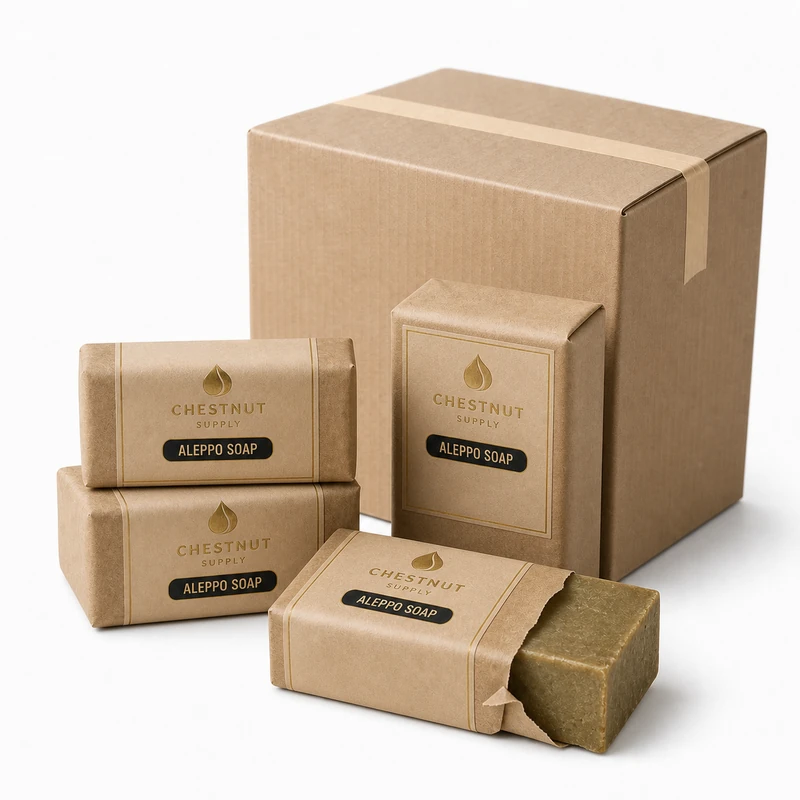
If you need competitive wholesale pricing and bulk supply, start at /wholesale/laurel-berry-oil. If you want to test before scaling, request a sample through /contact?subject=sample-request. If your plan includes finished Aleppo lines, review /wholesale/aleppo-soap for retail-ready and private label discussions. For formulation context against olive-only styles, our Aleppo vs Castile guide is also a useful companion read.
Verified Laurel Berry Oil Facts
| INCI / CAS | Laurus Nobilis Fruit Oil · CAS 8007-48-5 |
| Extraction | Traditional water extraction — Hatay, Türkiye (single origin) |
| Lauric acid (C12:0) | 13.57% on the current GC-tested lot (COA reference 10–30%) — a marker the leaf essential oil does not carry; read it with the full GC profile rather than on its own |
| SAP value | NaOH 0.144 · KOH 0.202 (derived from lot LBY2025 COA, 201.5 mg KOH/g) |
| Iodine value | 79.8 |
| Documentation | Batch COA on request; full fatty-acid table on the product page |
| Fulfillment | Ships from US stock (Georgia) — current sizes & pricing |
Figures are transcribed from the manufacturer-issued, batch-specific Certificate of Analysis for this lot; the COA for the lot you receive is available on request.