One of the most common and costly mistakes in the natural products market is confusing laurel berry oil with laurel leaf essential oil (also called bay laurel essential oil). Despite coming from the same tree species (Laurus nobilis), these are entirely different products with different extraction methods, chemical compositions, applications, and safety profiles.
This confusion leads to formulation errors, wasted money, and in some cases safety issues. Whether you are a soap maker, cosmetic formulator, or individual consumer, understanding the difference is essential before you buy.
The Source of Confusion
Both oils come from Laurus nobilis — the common bay laurel tree native to the Mediterranean region. The confusion arises because:
- Same botanical name: Both list “Laurus nobilis” as the source plant
- Similar common names: “Bay laurel oil,” “laurel oil,” and “bay oil” are used interchangeably for both products
- Marketplace mislabeling: Some sellers incorrectly label or categorize these oils, especially on marketplace platforms
The critical distinction is which part of the plant the oil comes from and how it is extracted.
Extraction Methods
| Feature | Laurel Berry Oil | Laurel Leaf Essential Oil |
|---|---|---|
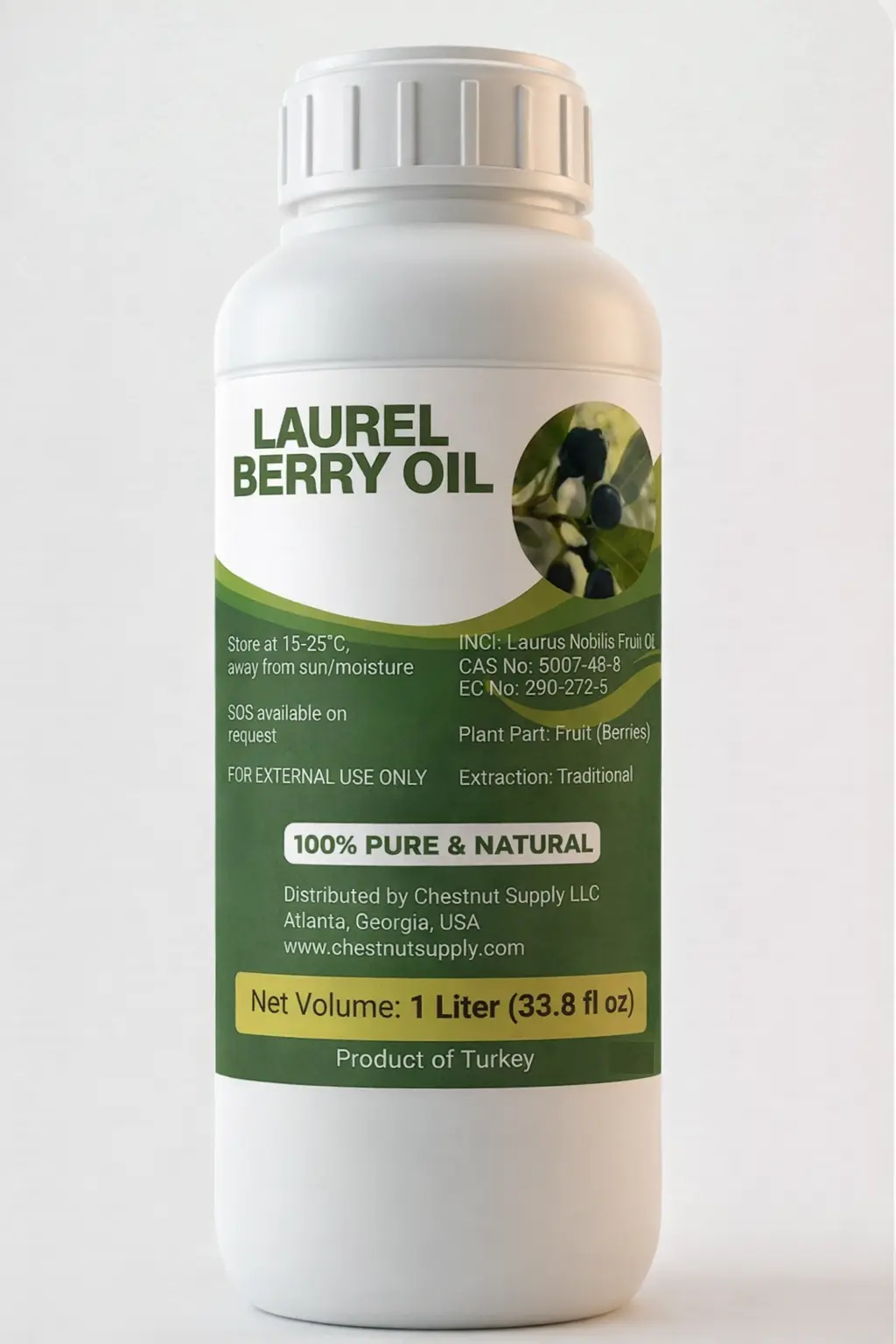
| INCI Name | Laurus Nobilis Fruit Oil | Laurus Nobilis Leaf Oil |
| Plant Part | Berries (fruit) | Leaves |
| Extraction | Pressing / water extraction | Steam distillation |
| Oil Type | Fixed / carrier oil (fatty) | Volatile essential oil |
| Consistency | Thick, viscous, semi-solid | Thin, liquid, volatile |
| Color | Dark green to brown | Pale yellow to clear |
| Aroma | Warm, herbal, earthy | Sharp, camphoraceous, medicinal |
Chemical Composition
Laurel Berry Oil (Fruit Oil)
Laurel berry oil is a fatty/carrier oil composed primarily of triglycerides and fatty acids:
- Oleic acid (omega-9): 25–45%
- Linoleic acid (omega-6): 15–30%
- Lauric acid: 10–25%
- Palmitic acid: 15–25%
This fatty acid profile makes it ideal for soap making (it saponifies well) and cosmetic formulation (it provides conditioning and emollient properties).
Laurel Leaf Essential Oil
Laurel leaf essential oil is a volatile oil composed primarily of aromatic compounds:
- 1,8-Cineole (eucalyptol): 30–50%
- Linalool: 5–15%
- Alpha-terpinyl acetate: 5–15%
- Eugenol: 2–5%
This volatile composition makes it suitable for aromatherapy and diffusion, but it must be diluted before skin application and cannot replace laurel berry oil in soap or cosmetic formulations.
Uses & Applications
Laurel Berry Oil Uses
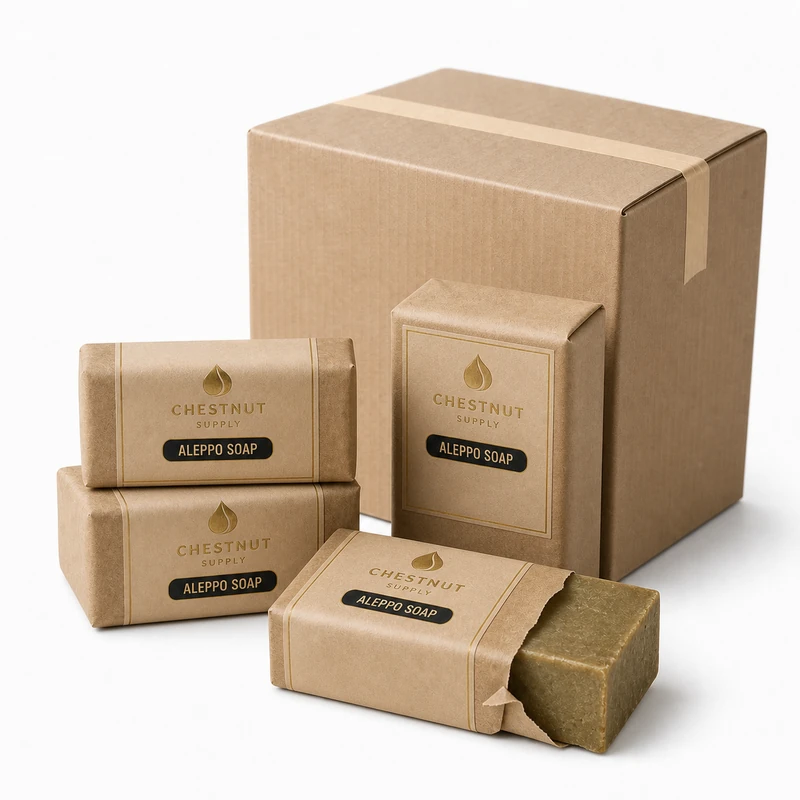
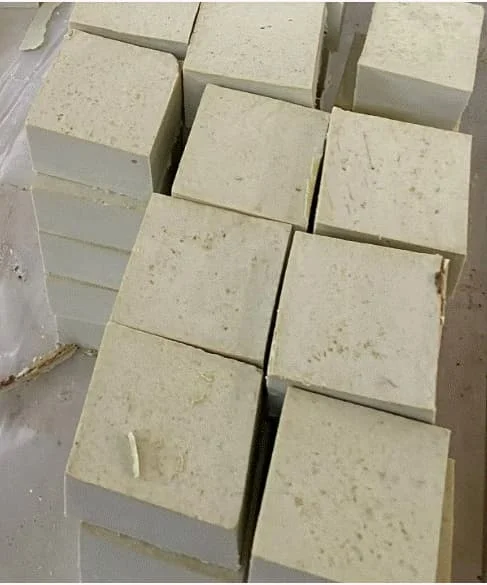
- Soap Making: The essential ingredient in authentic Aleppo soap. Used at about 12–40% alongside olive oil in Aleppo-style bars, and about 5–15% in general cold-process recipes. What laurel berry oil is →
- Cosmetic Formulation: Creams, lotions, serums, balms, massage oils
- Hair Care: Shampoo bars and conditioning treatments
- Used as a base oil, not a fragrance: it goes into the oil phase of a formula rather than being dosed at essential-oil percentages
Laurel Leaf Essential Oil Uses
- Aromatherapy: Diffusion for respiratory support and focus
- Fragrance blending: Used in perfumery at low concentrations
- Massage (diluted): Must be diluted in a carrier oil (1–3%) before skin application
- NOT for soap making: Cannot replace laurel berry oil in Aleppo soap recipes
Verified Laurel Berry Oil Facts
| INCI / CAS | Laurus Nobilis Fruit Oil · CAS 8007-48-5 |
| Extraction | Traditional water extraction — Hatay, Türkiye (single origin) |
| Lauric acid (C12:0) | 13.57% on the current GC-tested lot (COA reference 10–30%) — a marker the leaf essential oil does not carry; read it with the full GC profile rather than on its own |
| SAP value | NaOH 0.144 · KOH 0.202 (derived from lot LBY2025 COA, 201.5 mg KOH/g) |
| Iodine value | 79.8 |
| Documentation | Batch COA on request; full fatty-acid table on the product page |
| Fulfillment | Ships from US stock (Georgia) — current sizes & pricing |
Figures are transcribed from the manufacturer-issued, batch-specific Certificate of Analysis for this lot; the COA for the lot you receive is available on request.