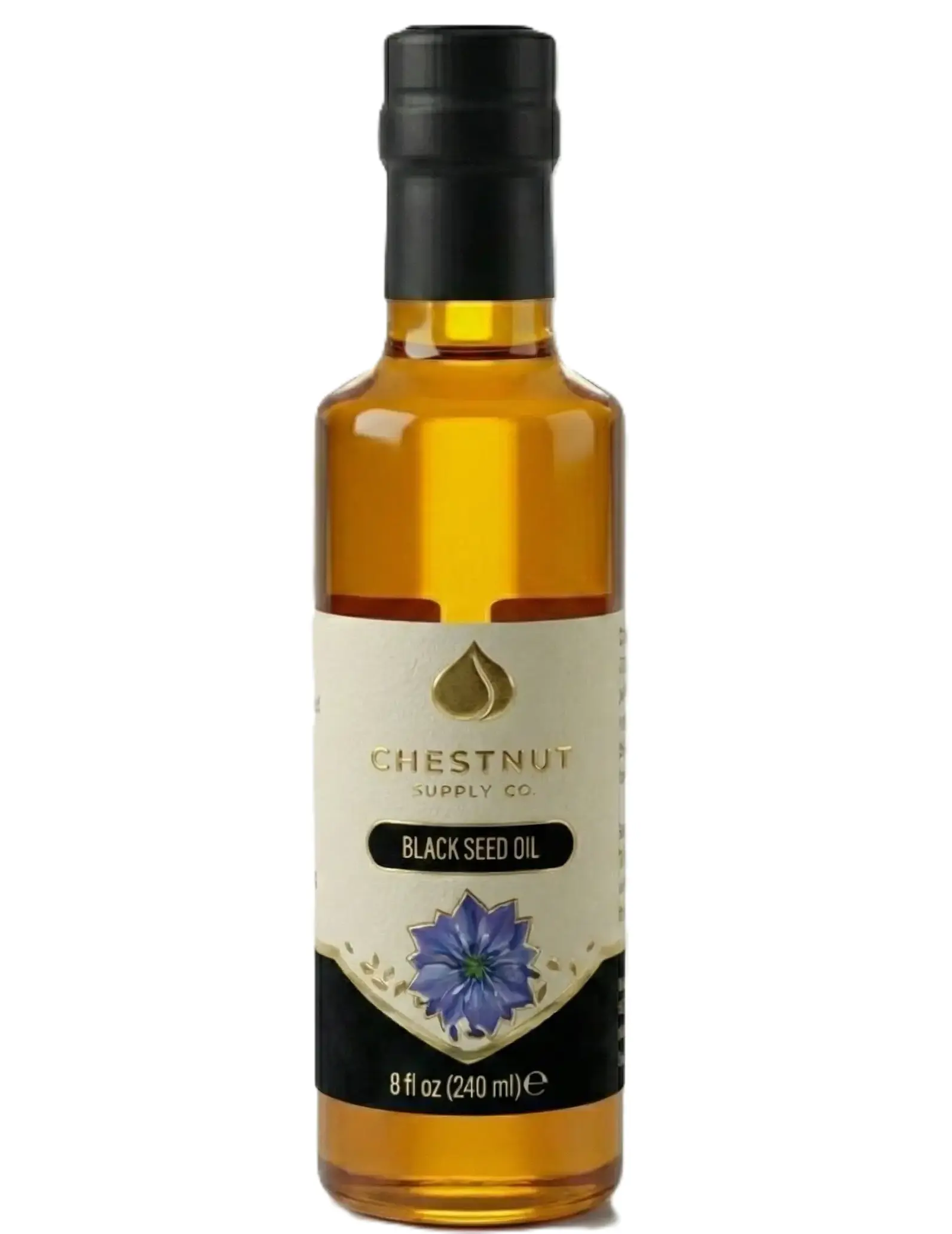
This guide is for skincare formulators, private label brands, and wholesale ingredient buyers evaluating cold-pressed black seed oil as part of a cosmetic formulation. It focuses on ingredient identity, documentation, formulation review, and finished-product claim responsibility.
Black Seed Oil in Skincare Formulation
Black seed oil is reviewed by skincare buyers as a carrier oil with a distinctive sensory profile, natural dark color, and recognizable aroma. In a finished product, its role should be evaluated within the full formula, packaging system, stability work, and brand positioning.
Ingredient Identity and Documentation
Confirm the INCI name, botanical name, origin, extraction method, lot code, and supplier documentation before moving into formulation or purchasing. For black seed oil, buyers commonly request COA, SDS, TQ information where available, and fatty acid profile.
Texture, Aroma, Color, and Formulation Review
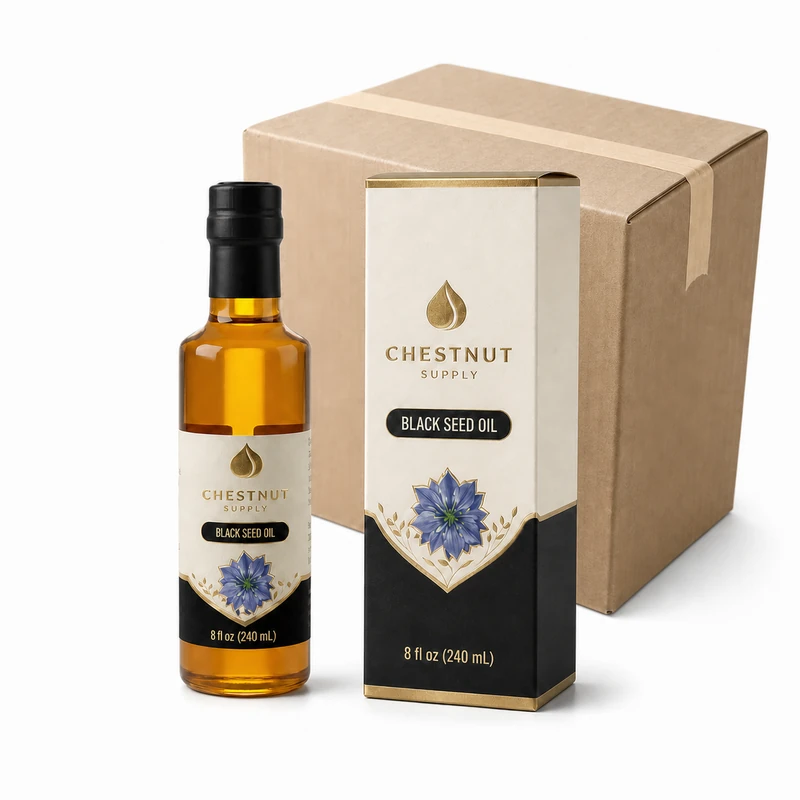
Cold-pressed Turkish black seed oil usually has a dark appearance and peppery, herbal aroma. These qualities can influence fragrance direction, color expectations, and packaging decisions. Review the oil in the context of the finished formula rather than as a standalone outcome driver.
Fatty Acid Profile and Batch Consistency
Fatty acid profile is useful for confirming oil identity and comparing batch consistency over time. Buyers should review the profile together with COA values, TQ information where applicable, origin details, and retention samples.
COA, SDS, and Lot Documentation
For skincare, cosmetic, private label, or wholesale projects, request available COA, SDS, TQ information, fatty acid profile, and lot-specific documentation before order confirmation. Match the paperwork to the lot being supplied.
Finished-Product Claims and Compliance Review
Ingredient documentation can support sourcing review, but finished-product claims belong to the brand. Any consumer-facing claim should be based on the finished formula, appropriate testing, packaging review, and applicable compliance guidance.
Related Buyer Resources
- Black Seed Oil Documentation Guide — COA, TQ, intended-use, and lot review.
- Cosmetic Formulation Guide — ingredient identity and buyer documentation review.
- TQ Documentation Guide — reading TQ values before sourcing.
- Cold-Pressed vs Expeller-Pressed Guide — extraction method context.
- Shop Black Seed Oil for Skin — cold-pressed Turkish Nigella sativa, 8oz & 16oz, ships from Georgia.
Reviewing black seed oil for a skincare project?
Request available documentation for cold-pressed Nigella sativa oil, including COA, SDS, TQ information, fatty acid profile, and lot details where available.
Request Documentation / Bulk Quote →