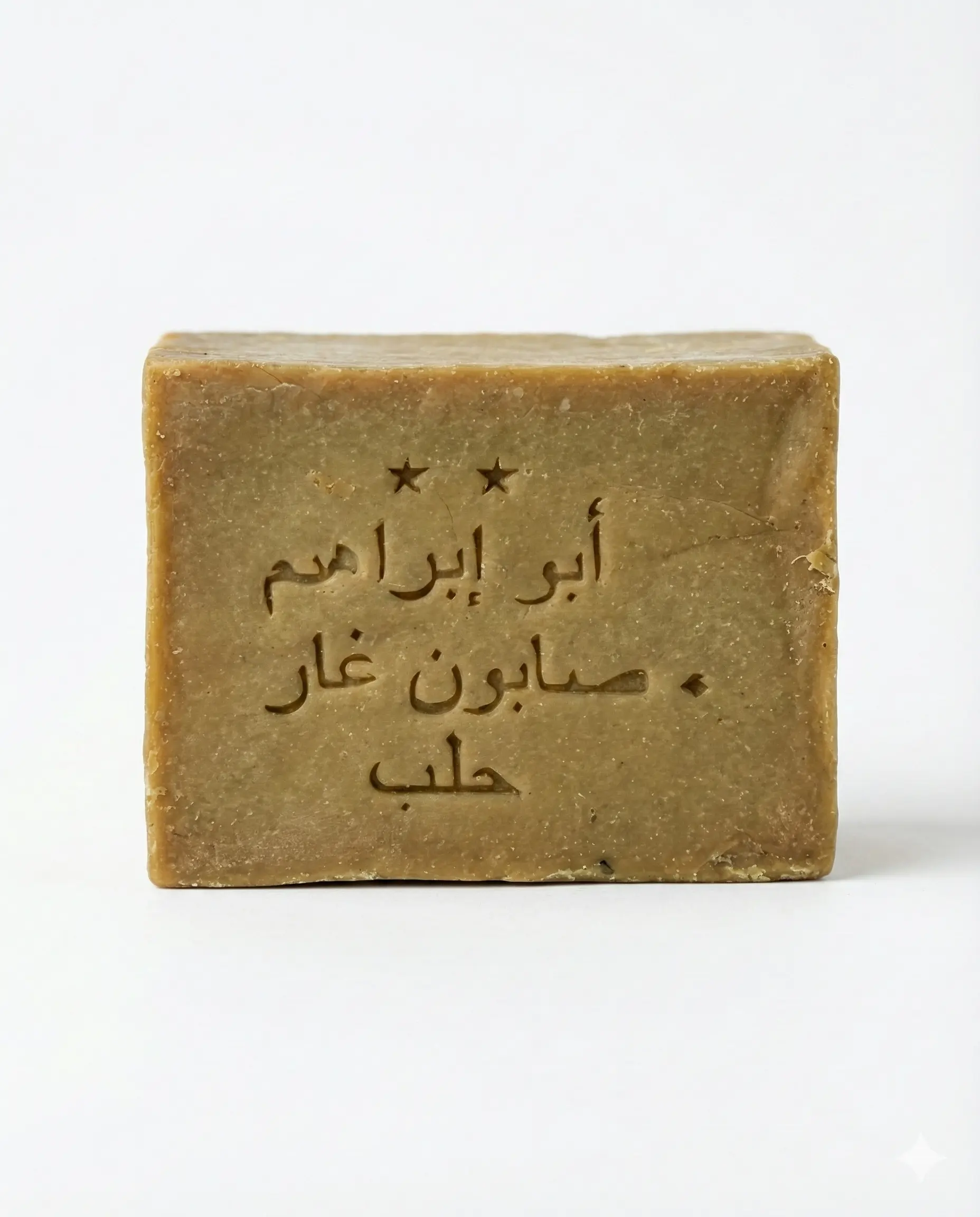
If you are looking for a natural, traditional soap without synthetic detergents or artificial fragrances, two names come up more than any other: Aleppo soap and Castile soap. Both originate from the Mediterranean, both are made with olive oil, and both have loyal followings among natural skincare enthusiasts.
But they are not the same product. The differences in ingredients, texture, lather, and skin feel are significant — and choosing the right one depends on what you actually want from your soap. This guide breaks down the real differences so you can make an informed choice.
Origins & History
Aleppo Soap
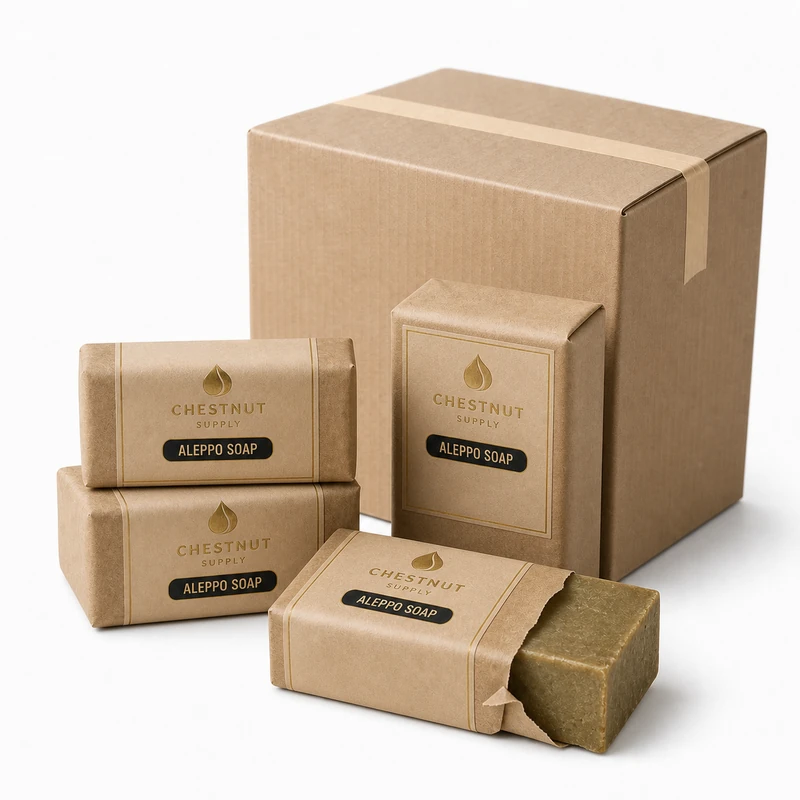
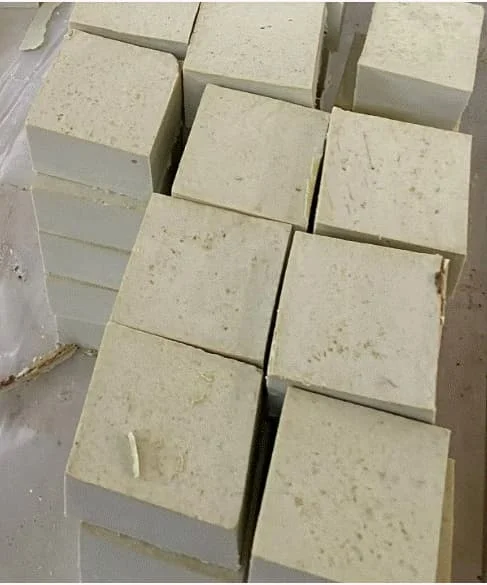
Aleppo soap traces its origins to the ancient city of Aleppo in present-day Syria, where soap makers have been producing it for an estimated 2,000+ years. It is widely considered one of the oldest manufactured soaps in human history. The traditional recipe combines olive oil with laurel berry oil (Laurus Nobilis Fruit Oil) using a hot-process method, followed by months of air-drying and curing.
Today, authentic Aleppo soap is also produced in Hatay, Turkey — a region with deep historical ties to the Aleppo soap-making tradition and access to high-quality laurel berries and olive oil.
Castile Soap
Castile soap originated in the Castile region of Spain, likely around the 10th-12th century. It was originally made with 100% olive oil, which distinguished it from the animal-fat soaps common throughout the rest of Europe. Over time, the term “Castile soap” has broadened — modern Castile soaps sometimes include other vegetable oils like coconut or hemp, though purists insist on olive-oil-only formulas.
Ingredients Compared
This is the fundamental difference between the two soaps:
| Feature | Aleppo Soap | Castile Soap |
|---|---|---|
| Primary Oil | Olive oil (60–95%) | Olive oil (80–100%) |
| Secondary Oil | Laurel berry oil (5–40%) | None (or coconut / hemp) |
| Lye | Sodium hydroxide | Sodium or potassium hydroxide |
| Additives | None | Sometimes essential oils, fragrance |
| Form | Solid bar only | Solid bar or liquid |
| Color | Brown exterior, green interior | White to pale yellow |
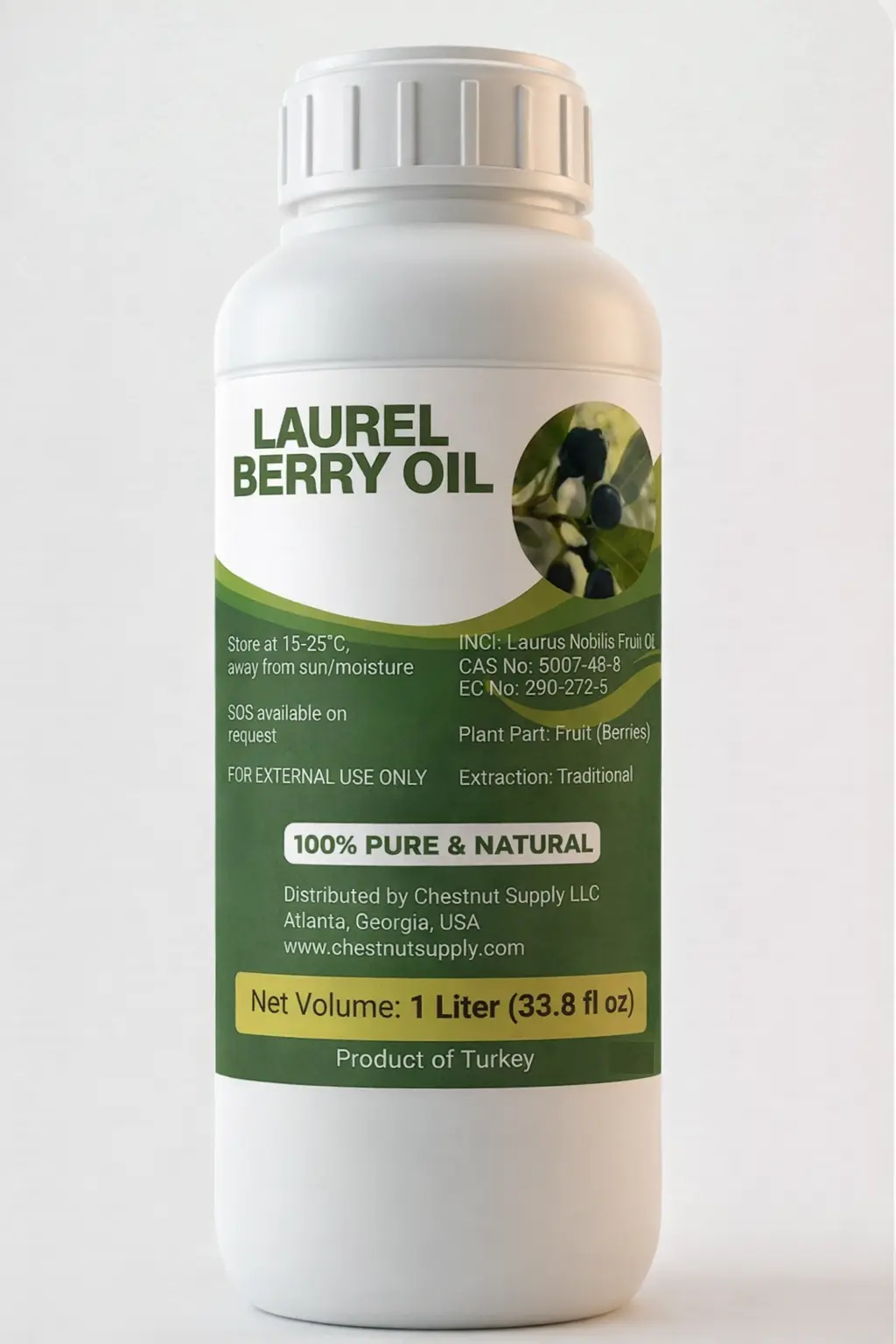
The key differentiator is laurel berry oil. This thick, viscous oil extracted from the fruit of the laurel tree gives Aleppo soap its distinctive green color, richer lather, and conditioning properties that Castile soap simply does not have. If you are interested in the oil itself, you can learn more in our Laurel Berry Oil collection.
Lather, Texture & Feel
Aleppo Soap
Aleppo soap produces a rich, creamy lather thanks to the combination of olive oil and laurel berry oil. The lather feels more luxurious and conditioning compared to olive-oil-only soaps. Bars are dense and long-lasting, typically outliving Castile soap bars by a significant margin. The texture is hard when dry, becoming silky when wet.
Castile Soap
Pure olive oil Castile soap tends to produce a thinner, less bubbly lather. Some people describe it as “slimy” rather than creamy — this is normal for olive-oil-only soaps. Modern Castile soaps that include coconut oil produce more bubbles but sacrifice some of the mildness that makes pure Castile soap appealing.
Skin Benefits
Both soaps are significantly gentler than commercial soaps containing synthetic detergents (SLS/SLES). Neither contains artificial fragrances, preservatives, or hardening agents.
- Aleppo soap — Olive oil plus laurel berry oil. The laurel share changes how the bar behaves: more laurel gives a denser lather, a harder bar and a stronger earthy scent. It does not make the bar better or gentler — it makes it different, and the right share depends on personal preference.
- Castile soap — Olive oil only. A very simple cleanser with a softer, creamier lather and little scent of its own, because it contains no laurel berry oil.
If skin conditioning is your priority, Aleppo soap with 20%+ laurel berry oil will outperform Castile soap. If you want the simplest possible formula with maximum mildness, pure Castile soap is hard to beat.
Best Uses for Each Soap
Aleppo Soap Excels At:
- Face washing — The laurel oil makes it conditioning enough for daily facial use
- Shaving soap — Rich, creamy lather ideal for razor glide
- Shampoo bar — Traditionally used for hair washing; the laurel oil adds conditioning
- Sensitive skin care — Higher laurel oil bars (20–40%) are traditionally valued for reactive skin
Castile Soap Excels At:
- All-purpose cleaning — Liquid Castile soap doubles as a household cleaner
- Baby bathing — Maximum mildness for the most sensitive skin
- DIY products — Liquid Castile soap is a popular base for homemade cleaners, body wash, and shampoo
- Minimalist skincare — If you want the fewest possible ingredients touching your skin
Price & Value
Aleppo soap typically costs more per bar than Castile soap because laurel berry oil is a premium ingredient — it is significantly more expensive than olive oil alone. However, Aleppo soap bars are denser and longer-lasting, so the cost per use often evens out.
If you are a retailer looking at stocking either soap, our wholesale Aleppo soap program offers competitive bulk pricing with built-in volume discounts.
Verified Aleppo Soap Facts
| Ingredients | Olive oil, laurel berry oil, water — lye fully consumed in saponification; no palm oil, fragrance or colorants (vegan) |
| Method | Traditional hot process, cured 9–18 months — Hatay, Türkiye |
| Laurel content | 20% laurel berry oil grade in US stock; 5%, 10% and 40% grades on custom order |
| Heritage | Craftsmanship of Aleppo Ghar soap (Syria) inscribed by UNESCO as intangible cultural heritage, 2024 — a craft recognition, not a product certification |
| Availability | US stock (Georgia) — wholesale multi-packs, no pallet MOQ · retail packs & pricing |
Facts reflect Sekiya Sourcing's stocked Aleppo soap; batch documentation (COA/MSDS) available on request.