Online ordering is temporarily unavailable. Contact us for availability and wholesale support.

Smudging for Beginners: Your Complete Guide to Choosing & Using Smudge Sticks

Everything you need to know to start smudging with confidence, from choosing your first stick to putting it out safely.

Smudging is the practice of burning dried herbs or sacred wood to produce aromatic smoke, traditionally used for spiritual cleansing, purification, and setting intention. While smudging has deep roots in Indigenous American and South American traditions, it has been adopted widely in the modern wellness community as a mindful ritual for clearing energy and creating a calm, intentional atmosphere.

If you have never smudged before, this guide covers everything you need to know to get started: what smudge sticks are, how to choose one, how to use it properly, and important safety considerations.

What Is Smudging?

At its simplest, smudging is burning dried plant material and directing the smoke around a space, an object, or yourself. The practice is found in cultures around the world — from Indigenous American sage ceremonies to Catholic church incense to Japanese incense rituals.

In modern practice, smudging is commonly used to:

  • Cleanse a space: Clear a room of stagnant or negative energy, especially when moving to a new home or after an argument
  • Set intention: Begin a meditation session, yoga practice, or creative work with a ritual transition
  • Create atmosphere: Fill a room with a pleasant, natural aroma without synthetic air fresheners
  • Mark transitions: Start a new day, season, or life chapter with a mindful ritual

Smudge Stick Varieties Explained

There are many types of smudge sticks, each with different aromas, burn characteristics, and traditional purposes. Here are the most popular varieties we carry in our Smudge Sticks collection:

White Sage (Desert Sage)

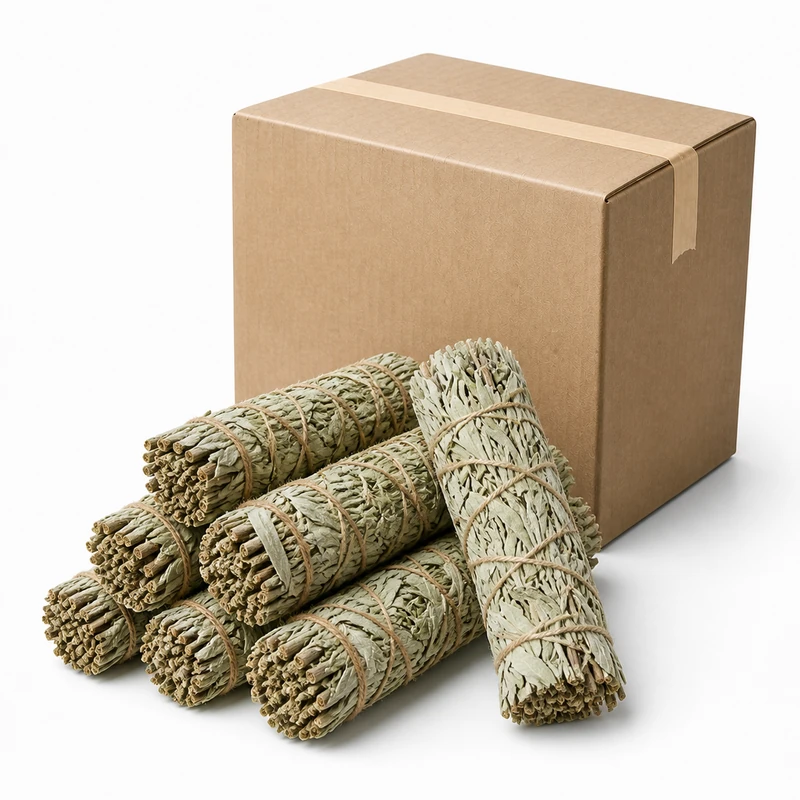
The most well-known smudging herb. Strong, herbaceous, pungent aroma with dense smoke. Traditionally used for purification and cleansing. Our Desert Sage smudge sticks are hand-bundled and naturally dried.

Palo Santo

Sacred “holy wood” from South America. Sweet, warm, slightly citrusy aroma with light, delicate smoke. Used for inviting positive energy and grounding. Our Palo Santo sticks come from naturally fallen trees.

French Lavender

Calming, floral, and familiar. Produces a gentle, soothing smoke that is less intense than sage. Popular with beginners and anyone who finds sage too strong.

Rosemary

A rising star in the smudging world. Bright, herbaceous, and uplifting aroma. Traditionally associated with memory, clarity, and protection. An excellent sage alternative for those seeking a gentler option.

Cedar

Warm, woody, and grounding. One of the oldest ceremonial herbs. Cedar smudge sticks produce a comforting, forest-like aroma that many find deeply calming.

Dragon’s Blood

White sage coated with dragon’s blood resin, creating a rich, complex, slightly sweet aroma. A specialty variety with a striking appearance. Traditionally associated with protection and empowerment.

Eucalyptus

Fresh, invigorating, and clearing. Produces a clean, mentholated aroma. Popular for those who use smudging as a form of aromatherapy and air purification.

Ready to start?

Shop All Smudge Sticks

Seven varieties. Single sticks and multi-packs with volume savings.

Choosing Your First Smudge Stick

If you have never smudged before, here are our recommendations for your first purchase:

  • For the classic experience: Start with Desert Sage (White Sage). It is the most traditional and widely used smudging herb.
  • For a gentler introduction: Try Palo Santo or French Lavender. Both have pleasant, approachable aromas with lighter smoke.
  • For variety: Try one of our multi-variety options to sample different herbs and find your favorite.

Not sure which variety is right for you? Read our White Sage vs Palo Santo comparison for a detailed breakdown of the two most popular options.

How to Smudge: Step by Step

What You Need

  • A smudge stick or Palo Santo stick
  • A lighter or matches (a candle works well for relighting)
  • A heat-safe dish, abalone shell, or ceramic bowl to catch ashes
  • Optionally: a feather or your hand to direct smoke

Step-by-Step Process

1. Set your intention. Before lighting, take a moment to think about why you are smudging. Are you clearing the energy of a new space? Beginning a meditation? Setting the tone for a creative session? Hold that intention in your mind.

2. Light the smudge stick. Hold the tip of the smudge stick at a 45-degree angle and light it with a match or lighter. Let it flame for about 20–30 seconds. For Palo Santo, you may need to hold the flame longer (30–60 seconds) as wood takes more heat to ignite.

3. Blow out the flame. Gently blow out the flame so the stick smolders and produces smoke. You should see a steady stream of fragrant smoke without an active flame.

4. Direct the smoke. Walk through your space, gently waving the smudge stick or using your hand/feather to direct smoke into corners, doorways, and around the room. If smudging yourself, direct smoke around your body from head to toe.

5. Extinguish safely. When done, press the burning end firmly into your heat-safe dish, sand, or earth. Ensure no embers remain. Never leave a smoldering smudge stick unattended.

Safety Tips

  • Never leave burning smudge sticks unattended. This is the most important safety rule.
  • Use a heat-safe dish to catch falling ashes and embers. An abalone shell, ceramic plate, or metal bowl works well.
  • Open a window or door to allow smoke to ventilate. This is both practical (smoke can be dense) and symbolic (letting unwanted energy leave).
  • Keep away from smoke detectors. Sage in particular produces heavy smoke that can trigger fire alarms.
  • Do not smudge around pets, babies, or people with respiratory conditions. The smoke can irritate sensitive airways.
  • Keep away from flammable materials. Curtains, papers, and fabrics should be clear of any burning material.
  • Fully extinguish the smudge stick after use. Press into sand or a dish — do not just set it down and walk away.

When to Smudge

There are no strict rules, but common times to smudge include:

  • Moving into a new home — to clear the previous occupant’s energy
  • Before meditation or yoga — to create a focused, intentional atmosphere
  • After an argument or stressful event — to reset the energy of the space
  • During seasonal transitions — spring cleaning, solstice celebrations, new year rituals
  • Weekly or daily practice — some people incorporate smudging into their regular self-care routine

Beyond the Basics

Once you are comfortable with basic smudging, you can explore:

  • Combining varieties: Use sage to clear, then Palo Santo to invite positive energy (the “clear and fill” technique)
  • Specialty herbs: Try Dragon’s Blood for a richer, more intense experience, or Cedar for deep grounding
  • Smudge kits: Pair your smudge stick with an abalone shell, feather, and crystals for a complete ritual set

For retailers looking to stock smudge sticks, our wholesale program offers all seven varieties with competitive bulk pricing.

Frequently Asked Questions

What is the best smudge stick for beginners?
We recommend starting with Palo Santo or French Lavender for their pleasant, approachable aromas and lighter smoke. Desert Sage (white sage) is the classic choice but has a stronger, more pungent scent that some beginners find overwhelming.
How often should I smudge?
There are no strict rules. Some people smudge daily as part of their meditation practice, while others smudge occasionally when they feel their space needs clearing (after moving, after conflict, during seasonal changes). Find a rhythm that feels right for you.
Do I need an abalone shell to smudge?
No. An abalone shell is traditional and beautiful, but any heat-safe dish, ceramic plate, or metal bowl will work for catching ashes and extinguishing your smudge stick safely.
How long does a smudge stick last?
A standard sage smudge stick can be used 10-15+ times, as you only burn a small portion each session. Palo Santo sticks can be relit 15-20+ times. Both last weeks to months with regular use.
Is smudging the same as burning incense?
Similar concept but different materials. Smudge sticks use whole dried herbs or wood (sage, Palo Santo, cedar), while incense typically uses powdered materials compressed onto a stick or cone, often with added fragrance. Smudge sticks are generally considered more natural and traditional.
Can I smudge in an apartment?
Yes, but use caution. Open a window for ventilation, use lighter-smoking options like Palo Santo or French Lavender, and be mindful of smoke detectors. Avoid heavy sage smudging in small, enclosed spaces.
Where can I buy smudge sticks online?
Sekiya Sourcing carries seven varieties of smudge sticks with single sticks and multi-pack options. All orders ship from our Georgia, USA warehouse with tracking. Browse our full collection.
What is the difference between white sage and Palo Santo?
White sage is a dried herb with strong, pungent smoke used for cleansing. Palo Santo is a sacred wood with sweet, warm smoke used for inviting positive energy. Read our detailed White Sage vs Palo Santo comparison for more.

Ready to Start Your Smudging Practice?

Seven varieties of premium smudge sticks. Single sticks, 6-packs, and 12-packs. Fast USA shipping.