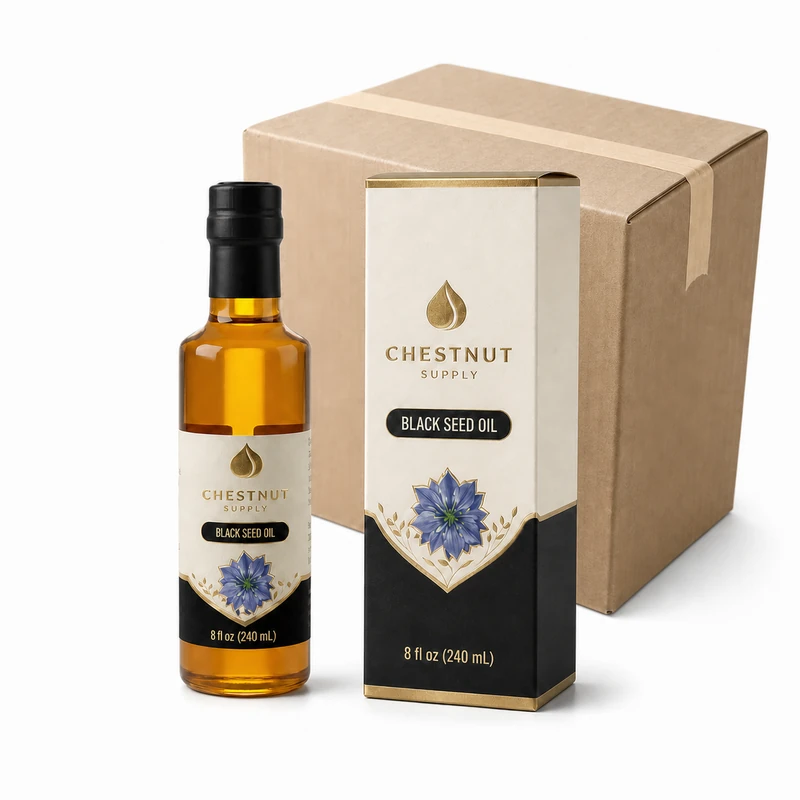
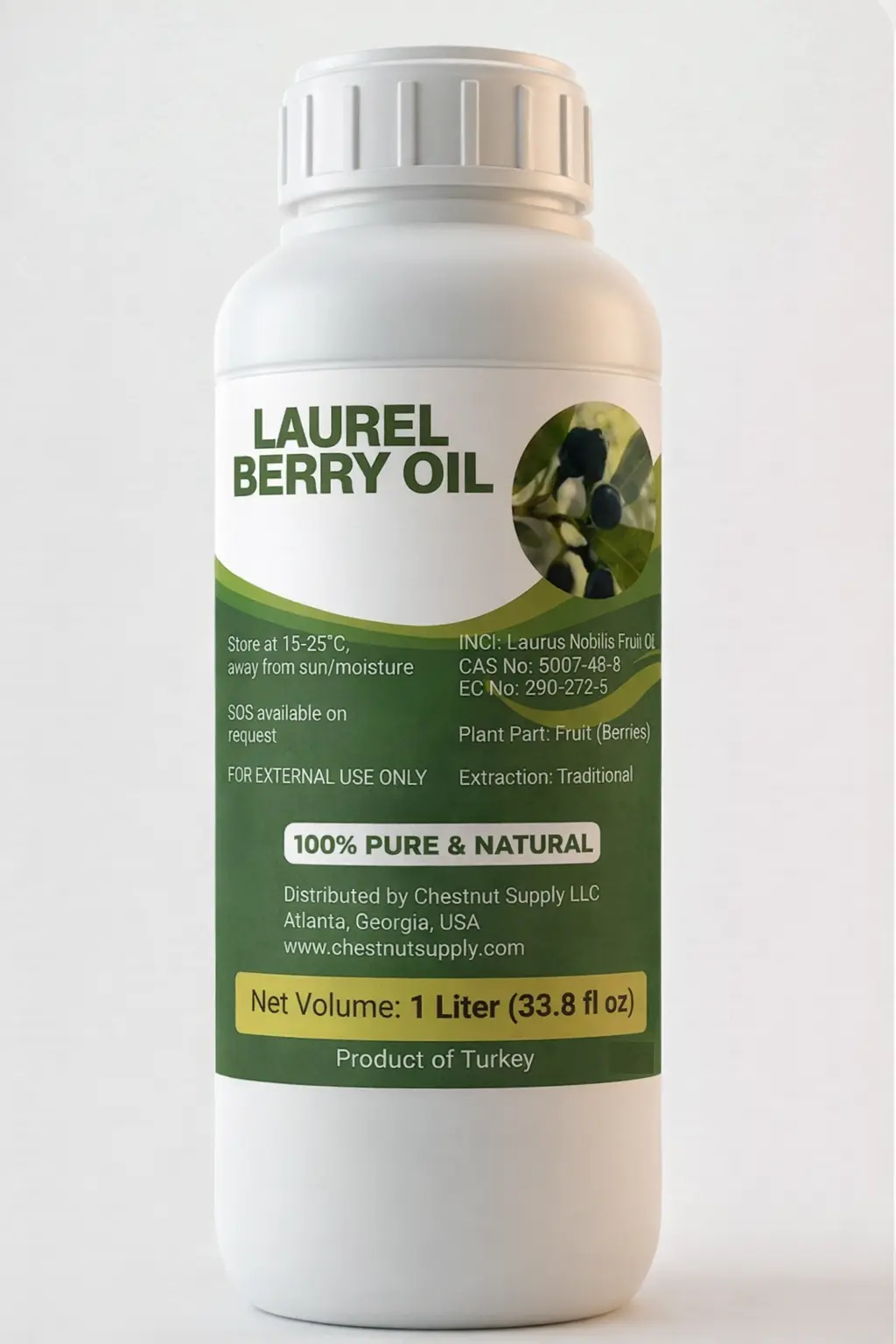
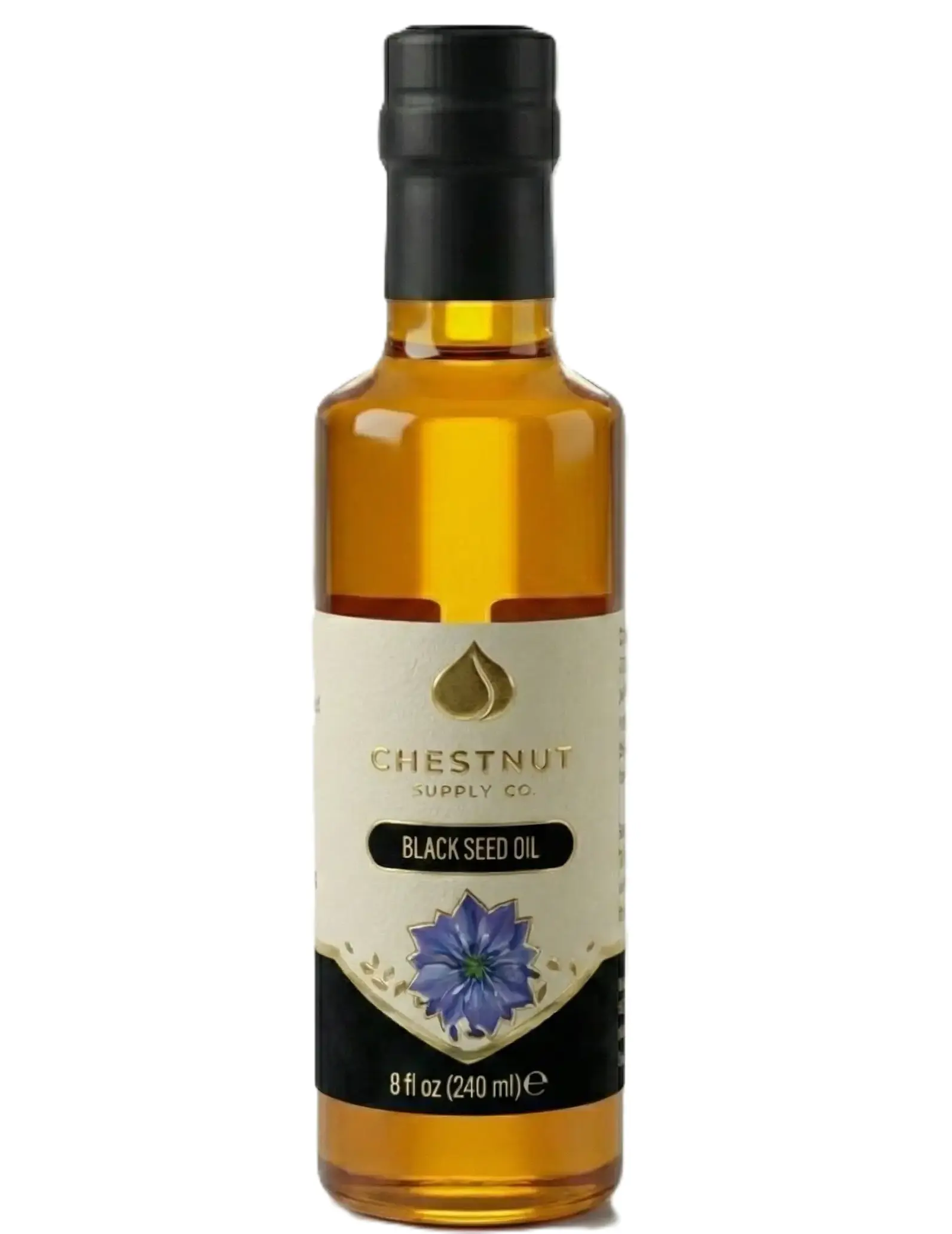
Black seed oil remains one of the easiest natural categories to position across supplement, skincare, and haircare. The challenge is not demand. The challenge is sourcing quality that protects your label reputation. This guide gives you a practical checklist for TQ quality, COA standards, MOQ planning, compliance basics, and supplier vetting before you commit capital.
Why Black Seed Oil Is a Strong Private Label Choice
The category continues to attract steady search demand and repeat buyers. Unit economics can work well when sourcing is disciplined and packaging is efficient. Differentiation is clear if your label communicates TQ range, extraction method, and origin consistency. One raw material can support multiple categories, which helps smaller brands launch with fewer SKUs while testing market fit.
The 5 Specs That Define Quality (Your Label's Reputation)
1) Thymoquinone percentage: this is the first quality marker to verify. Thymoquinone content varies by batch, so verify it against the current batch COA rather than a label figure. Unusually high values may indicate concentrates, not a standard edible oil profile.
2) Extraction method: cold pressed is generally preferred for potency retention. Expeller-pressed lots can be lower potency but lower cost. Solvent extraction is usually a red flag for premium positioning.
3) Origin: origin affects consistency story and batch variability. Turkish lots, especially from established regions, are commonly chosen for stable profile positioning.
4) Certifications: depending on your channel, organic, halal, kosher, GMP, and non-GMO paperwork can expand market access.
5) Packaging compatibility: amber glass protects quality better for long shelf positioning. Storage and oxygen exposure planning matter from day one.
MOQ and Pricing Reality Check
Unbranded bulk often starts low enough for pilot runs. White-label bottled programs usually require mid-level MOQ. Fully custom print and retail packaging typically need higher minimums and longer lead times. Practical launch strategy is simple: start with manageable MOQ, validate velocity, then scale packaging complexity after repeat demand is proven.
COA Checklist — What to Demand From Any Supplier
Require TQ by method (preferably HPLC), fatty acid profile, peroxide value, free fatty acids, moisture, heavy metals, microbiology, country of origin, production date, and third-party verification. If any of these are missing, you are buying blind. Ask for current-batch files, not old sample paperwork.
FDA and FTC Labeling Rules (Do Not Get Burned)
For supplements, use required disclaimer language and avoid disease claims. Structure-function language is generally safer when compliant. For cosmetics, use correct INCI naming and clear net quantity, lot traceability, and manufacturer information. Compliance is not optional. It is cheaper to do it correctly before launch than to rework listings after policy flags.
Sales Channels and Positioning
Amazon FBA is high-velocity and high-competition, so proof elements like TQ, COA transparency, and review strategy matter. Retail health stores often require stronger certification stack and shelf-ready story. DTC can protect margin if content and email retention are built early. Private-label service for existing brands can also become a stable B2B revenue layer.
Red Flags When Vetting Suppliers
No COA, unclear TQ, vague origin language, refusal to send samples, acceptance of solvent extraction for premium claims, or abnormally low pricing without specification detail are all warning signals. These issues usually show up later as quality complaints, returns, or listing problems.
Questions to Ask Before You Order
What is the TQ% on your current batch COA? Cold pressed or expeller pressed? MOQ difference for white label vs custom label? Seed origin? Lead time from PO to shipment? Can you deliver to Amazon FBA prep requirements? Get all answers in writing before deposit.
Who This Guide Is For
This guide is written for:
- Amazon and DTC sellers launching a Nigella sativa oil SKU
- Supplement brands adding black seed oil to their lineup
- Cosmetic and haircare formulators using BSO as an INCI ingredient
- Distributors building a private label sourcing program
Domestic Distribution Option — Chestnut Supply
For US-based private label projects and wholesale case packs, selected orders may be fulfilled through Chestnut Supply (Norcross, GA). Contact us to discuss whether your project qualifies for this channel.
Start here: Turkish black seed oil wholesale — request a sample and COA. For private-label readiness, also review /private-label, plus /guides/cold-pressed-vs-expeller-pressed and /guides/thymoquinone-guide.