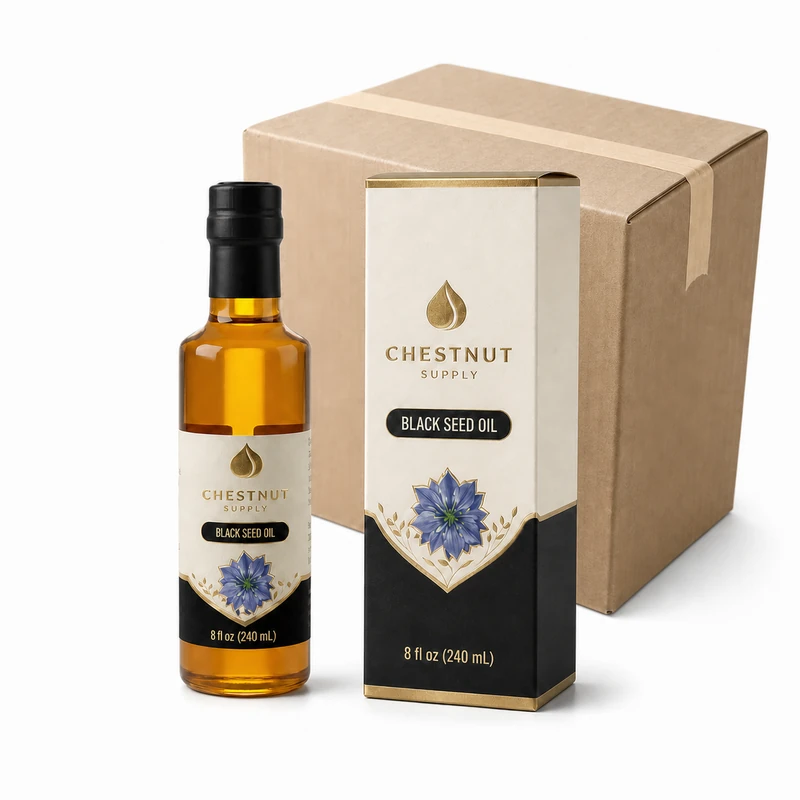
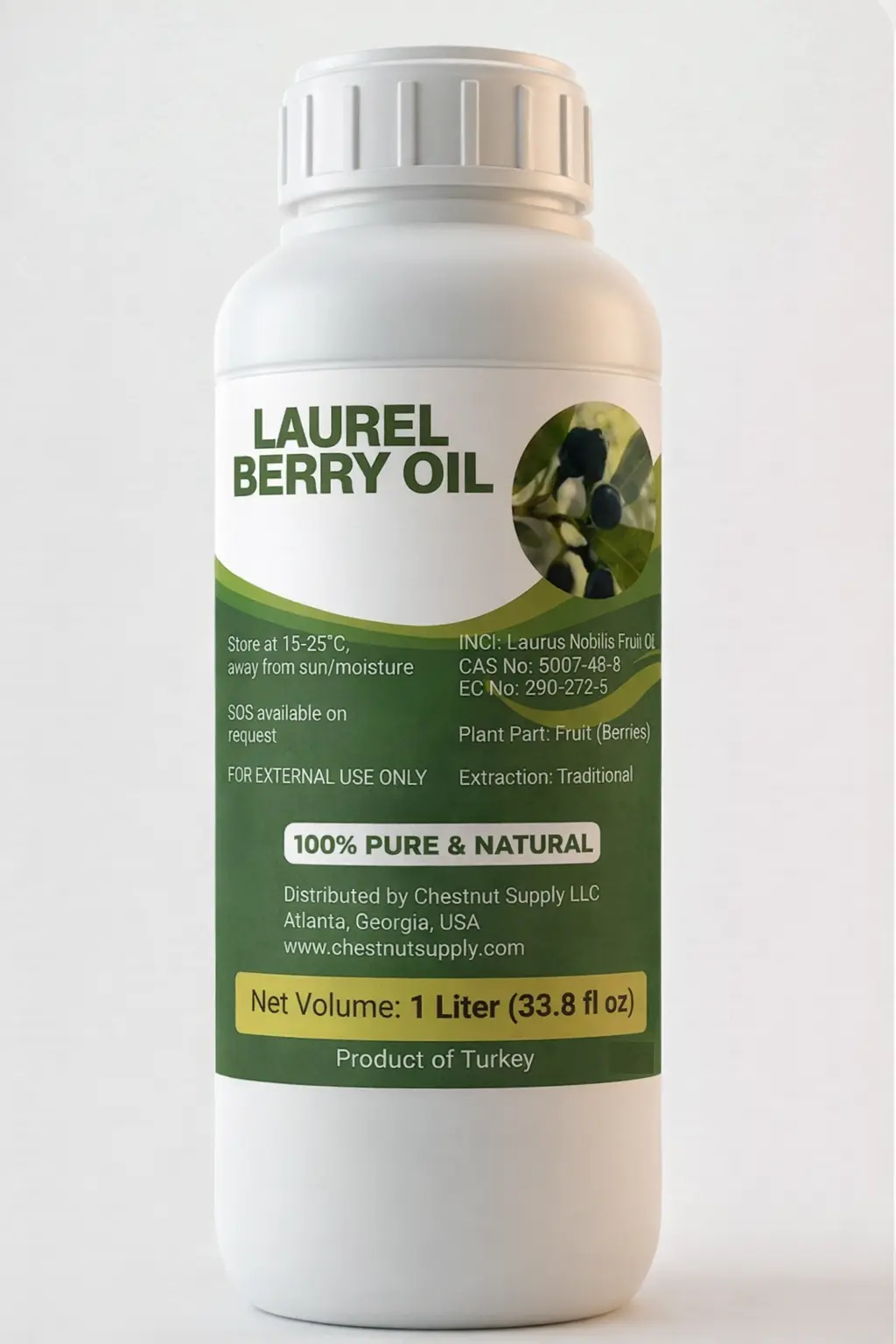
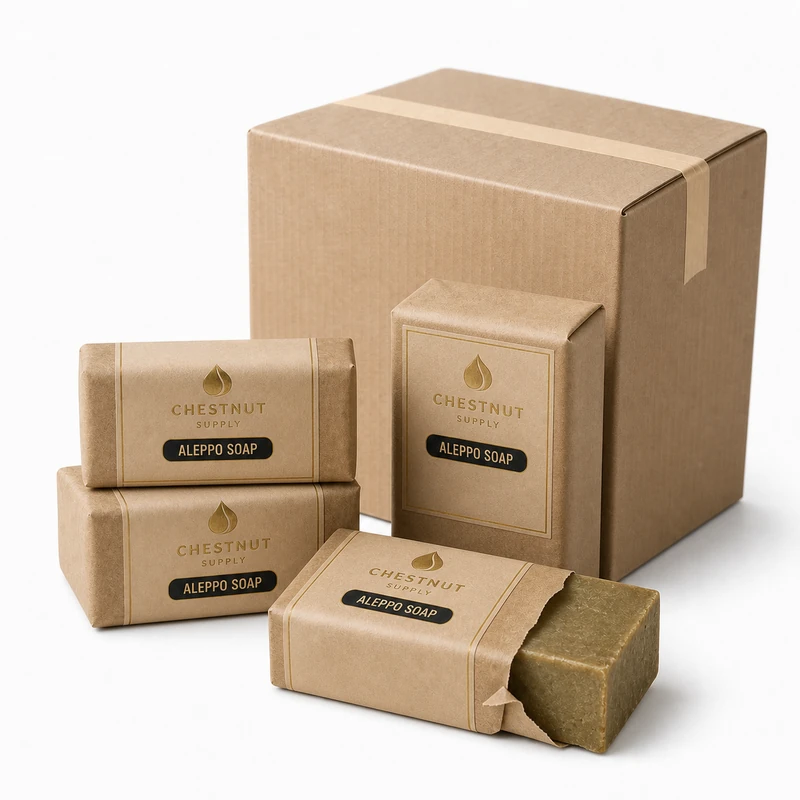
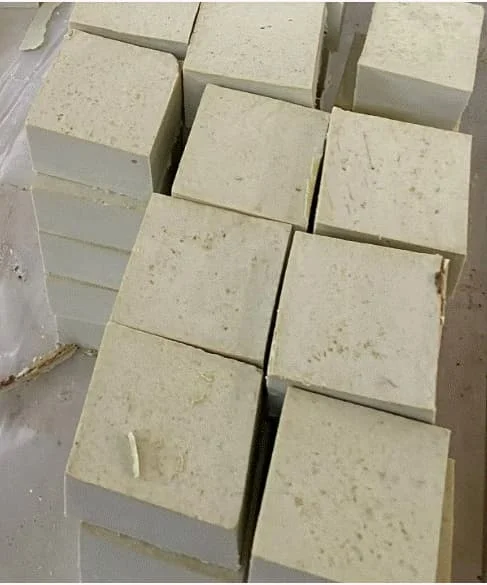
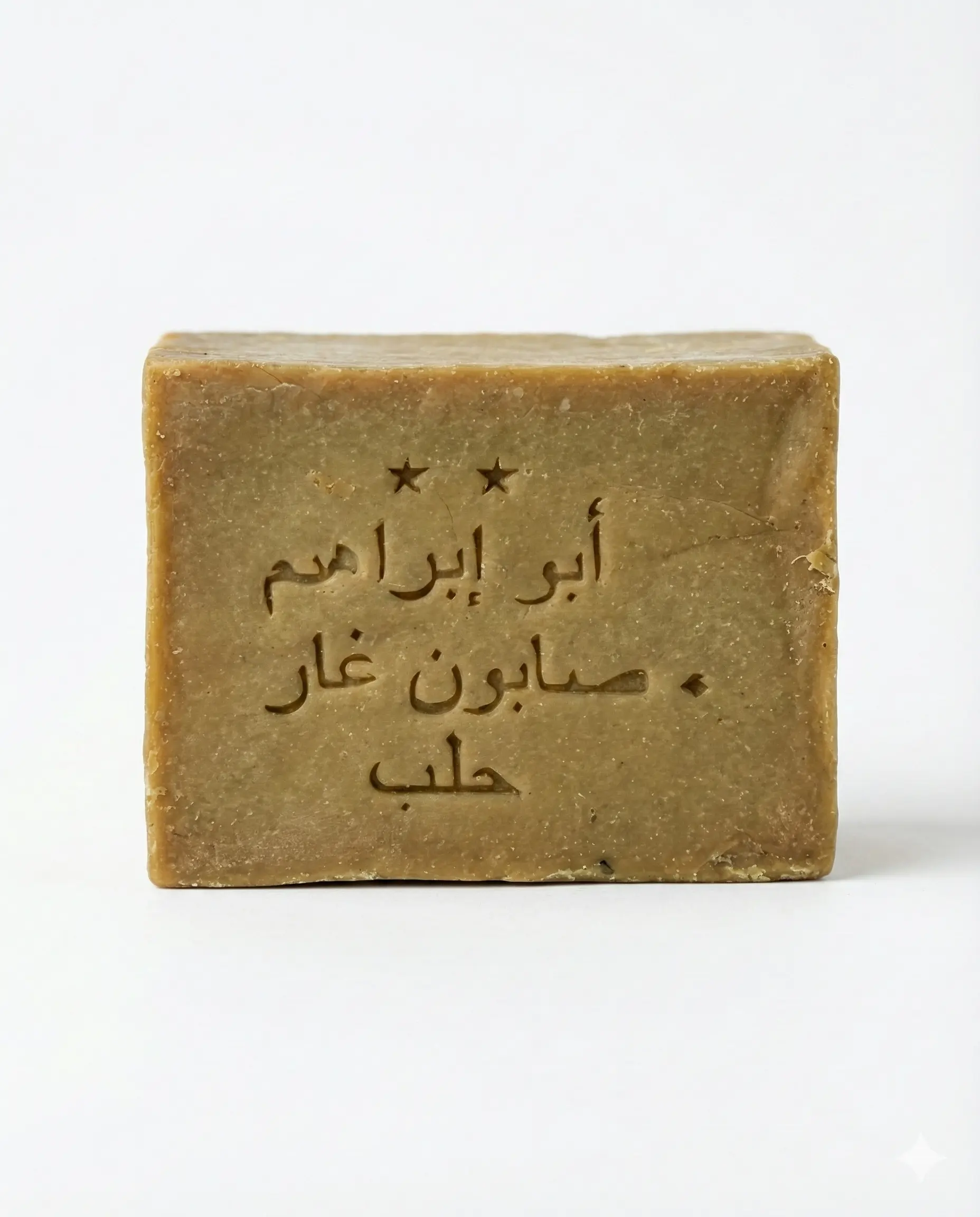
Aleppo soap stands out for acne-prone skin because the formula is short and traditional: olive oil, laurel berry oil, lye, and water. No synthetic fragrance, no detergent boosters, no unnecessary fillers. That simplicity makes it easier to understand what your skin is reacting to, especially if you are trying to reduce routine noise. The catch is straightforward: not every Aleppo bar behaves the same, because laurel percentage changes how strong the cleanse feels. But not every Aleppo soap is the same — laurel percentage determines everything.
Why Laurel Oil Is the Active Ingredient for Acne
Laurel berry oil (Laurus nobilis) is the part of Aleppo soap most people focus on for breakout-prone skin. It is known for its natural cleansing and conditioning properties, which is one reason it has been traditionally used in personal care products for reactive skin. In practical terms, that means the wash step can feel cleaner without being aggressively stripped when the percentage is matched to your skin type.
Another reason laurel matters is oil balance. Acne-prone skin is often oily in some zones and dehydrated in others. Laurel-rich bars may help keep sebum in a better range while still rinsing cleanly, and many users report that pores feel less congested over time when they avoid heavy residue products.
Olive oil is the balancing side of the formula. It helps support the hydrolipidic film so the skin barrier does not feel over-washed after every cleanse. That balance is where Aleppo differs from many benzoyl peroxide or salicylic acid cleansers: it can cleanse deeply, but it is not designed to peel your face every day. If you are comparing traditional soap options, this is also where our Aleppo vs Castile guide is useful for context.
Set expectations realistically: Aleppo soap is not a medical fix for acne, but many users notice visible improvement with consistent daily use in about 2 to 4 weeks.
The Laurel Percentage Guide — Which One Is Right for You?
This is the decision point that changes outcomes. The same soap tradition can feel gentle or intense depending on laurel ratio, so treat percentage selection as your first customization step.
| Laurel % | Best Fit | How It Usually Feels |
|---|---|---|
| 5%–12% | First-time users; the mildest-scented, softest-lathering option | Closest to a plain olive-oil bar |
| 12%–20% | The classic Aleppo range and the most widely sold | Noticeable laurel scent; firmer bar, denser lather |
| 25%–30% | Users who prefer a stronger, less oily after-feel | Strong laurel scent; can feel drying if used too often |
| 40% | Speciality bars, rarely sold at retail | Strongest scent and most stripping feel; not a daily all-over cleanser |
These ranges describe the bar, not a treatment plan. A higher laurel share means a harder bar, a denser lather and a stronger scent — it does not mean the soap works better on any skin condition. If you are new to Aleppo soap, the 12% to 20% range is the classic one and the easiest to find.
This guide is not medical advice. Aleppo soap is a cosmetic cleanser. It is not a treatment for acne or any other skin condition. If your skin is inflamed, painful or getting worse, stop using the product and speak to a dermatologist.
The 40% bar should be treated as a strong tool, not a default daily cleanser. Many users reserve it for short-contact use on specific zones. If your interest is mostly in the ingredient itself for formulation or sourcing, see our wholesale laurel berry oil page and the clarification guide on laurel berry oil vs laurel leaf essential oil.
If you are unsure where to begin, start with 12% to 20% — that range is usually the best balance for most acne-prone skin types.
Step-by-Step: How to Use Aleppo Soap for Acne-Prone Skin
- Wet your face with lukewarm water, not hot water, because heat can increase irritation on already active areas.
- Create lather in wet hands first, then apply foam to skin instead of rubbing the bar directly on your face.
- Massage gently for around 60 seconds, focusing on oily zones without scrubbing inflamed spots.
- Rinse thoroughly with cool water to remove residue and help calm skin after cleansing.
- Pat dry with a soft towel and avoid friction, especially when lesions are active.
- Apply a non-comedogenic moisturizer immediately to maintain barrier comfort after cleansing.
Soap is a rinse-off cleanser. Leaving a bar soap on the skin as a mask is not something we recommend and is not part of traditional use — lather, wash and rinse.
Frequency matters more than intensity. A practical start is once nightly during the first two weeks. If skin remains comfortable, move to morning and evening use after adaptation.
Switching Cleansers: What Is Reasonable to Expect
We cannot tell you what a soap will do to your skin, and any guide that gives you a week-by-week schedule of results is guessing. What we can say is what the bar is: olive oil and laurel berry oil, no added fragrance, no detergents.
Use it the way you would any new cleanser — introduce it on its own, keep the rest of your routine unchanged for a while, and judge it on how your skin feels.
Irritation is a signal to stop, not to push through. If the bar leaves your skin tight, red, stinging or visibly worse, stop using it. That is not an adjustment phase to be waited out. Persistent or painful skin problems belong with a dermatologist, not with a soap guide.
Common Mistakes to Avoid
The most common mistake is starting too high too fast. Jumping straight to 40% often creates avoidable irritation, especially when skin is already inflamed. A second mistake is mechanical stress: rubbing, over-cleansing, and rough towel drying can keep acne-prone skin in a reactive loop even when cleanser choice is good.
Skipping moisturizer is another frequent problem. Aleppo soap cleanses effectively, but it is not a moisturizer. If hydration is missing, skin may feel tight and overcompensate with more oil. Storage also matters more than people think. Leaving bars wet between washes softens soap and changes use consistency, so use a dry ventilated soap dish. Finally, avoid judging results in one week. Most users need at least three to four weeks of regular use to evaluate fit fairly.
Where Sekiya's Aleppo Soap Comes From
Our Aleppo soap program is sourced from Hatay, Turkey, where the Aleppo tradition continues with regional know-how and ingredient access. Production stays focused on the classic base of olive oil and laurel berry oil without unnecessary chemical additives. Laurel percentage is verified through COA-backed documentation, and inventory is fulfilled from our Georgia warehouse for U.S. delivery speed. If you want to buy directly at scale, see our wholesale Aleppo soap page.
Ready to Try It?
If you want to test routine fit first, start with our retail Aleppo soap product page and keep usage consistent for a full month. If you buy for stores, clinics, or brand programs, visit /wholesale/aleppo-soap for bulk and private label options. If you want help selecting the right laurel percentage for your case, contact our team at /contact.
Verified Aleppo Soap Facts
| Ingredients | Olive oil, laurel berry oil, water — lye fully consumed in saponification; no palm oil, fragrance or colorants (vegan) |
| Method | Traditional hot process, cured 9–18 months — Hatay, Türkiye |
| Laurel content | 20% laurel berry oil grade in US stock; 5%, 10% and 40% grades on custom order |
| Heritage | Craftsmanship of Aleppo Ghar soap (Syria) inscribed by UNESCO as intangible cultural heritage, 2024 — a craft recognition, not a product certification |
| Availability | US stock (Georgia) — wholesale multi-packs, no pallet MOQ · retail packs & pricing |
Facts reflect Sekiya Sourcing's stocked Aleppo soap; batch documentation (COA/MSDS) available on request.