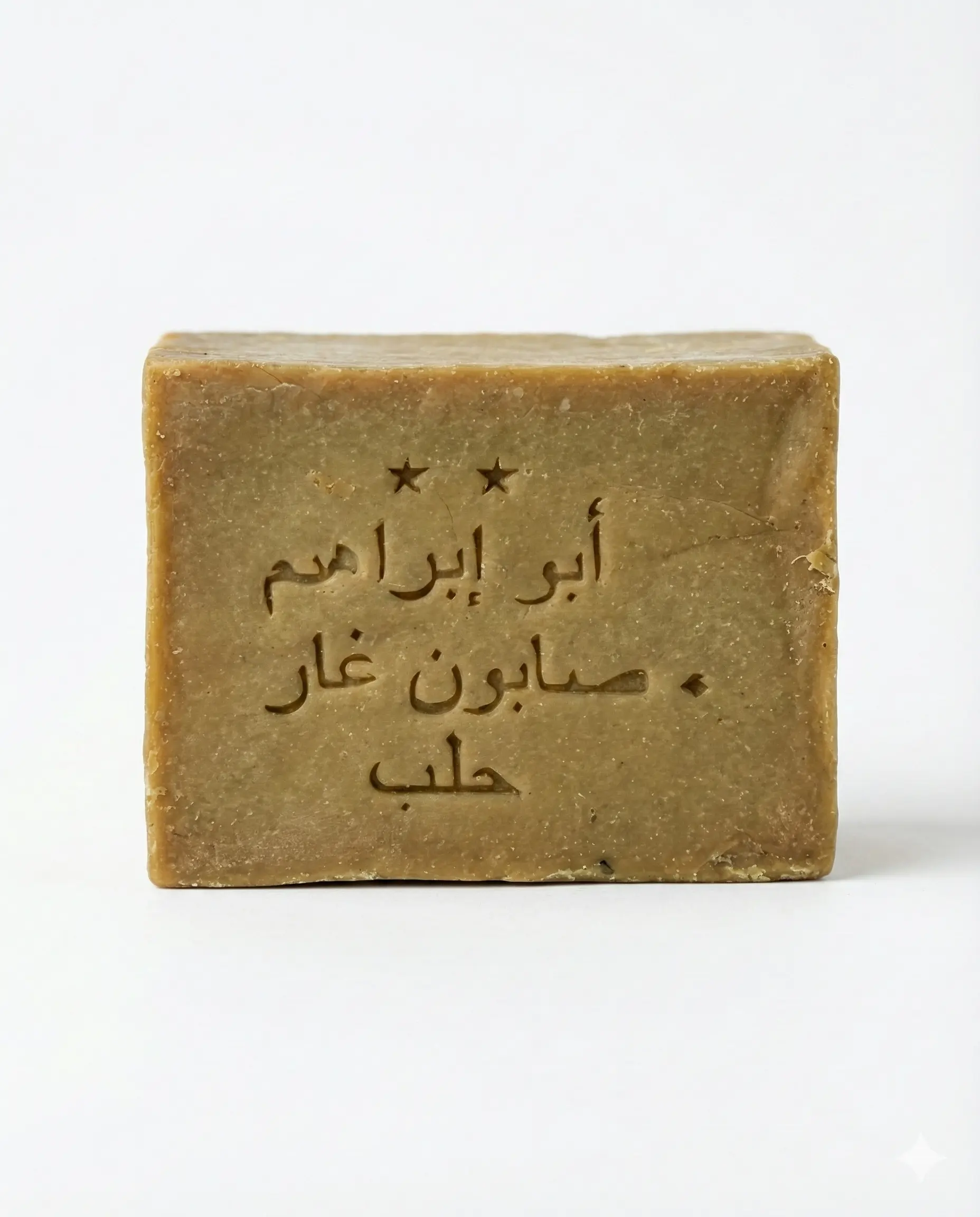
Most face soaps fail in one of two ways. They either feel so harsh that your skin barrier gets tight and reactive, or they feel so mild that oil, sunscreen, and daily buildup never fully leave the skin. Aleppo soap sits in the middle when you choose the right percentage: four ingredients, no detergent boosters, and a formula used for centuries. The key question is simple: which laurel percentage matches your skin type? This guide gives you a clear answer.
Why Aleppo Soap Works on the Face
Aleppo soap works for many people because the formula is short and functional. Olive oil supports the skin’s hydrolipidic film, so cleansing can feel less stripping than detergent-heavy face bars. Many users like that it cleans thoroughly without the waxy after-feel that can clog pores over time. Lye and water are there for saponification, which means the raw alkali is transformed during production and does not remain as free lye on your face in a properly made bar.
The practical difference compared with many commercial face soaps is what is missing. Aleppo bars do not rely on SLS (sodium lauryl sulfate), a cleanser known to trigger tightness and barrier stress in sensitive routines. This is one reason users with reactive skin often tolerate Aleppo better when they start with the right percentage and follow with a non-comedogenic moisturizer.
Honest note: Aleppo soap does not suit everyone. It is an alkaline bar soap, and some skin simply does not get on with that — if it leaves your face tight or irritated, it is not the right cleanser for you and no percentage will change that. You can compare it with other classic bars in Aleppo vs Castile.
Choosing the Right Laurel % for Your Skin Type
Dry and sensitive skin: 5% to 12% laurel. Lower laurel means more olive oil in the final composition, which usually feels more conditioning and calmer for delicate skin. You still get a thorough clean, but with lower irritation risk and an easier daily rhythm. This range is a common choice for sensitive adults, rosacea-prone users, and households that want a gentle shared face bar.
Normal and combination skin: 12% to 20% laurel. This is often the all-around range. It can help balance oilier T-zones while keeping cheeks from feeling over-cleansed. For most first-time users, this bracket is the easiest place to begin because it offers a practical middle ground between comfort and deeper cleansing performance.
20% to 30% laurel. A firmer bar with a denser lather and a stronger earthy scent. People who dislike an oily after-feel often prefer this range. It can also feel drying, so it is worth using less often at first.
30% to 40% laurel. Speciality bars that are rarely sold at retail. They have the strongest scent and the most stripping feel, and are not meant as an everyday facial cleanser.
If you are unsure where to begin, start at 12% to 20%. That range is usually the safest test point for most skin types, then adjust upward or downward based on real response after two to four weeks.
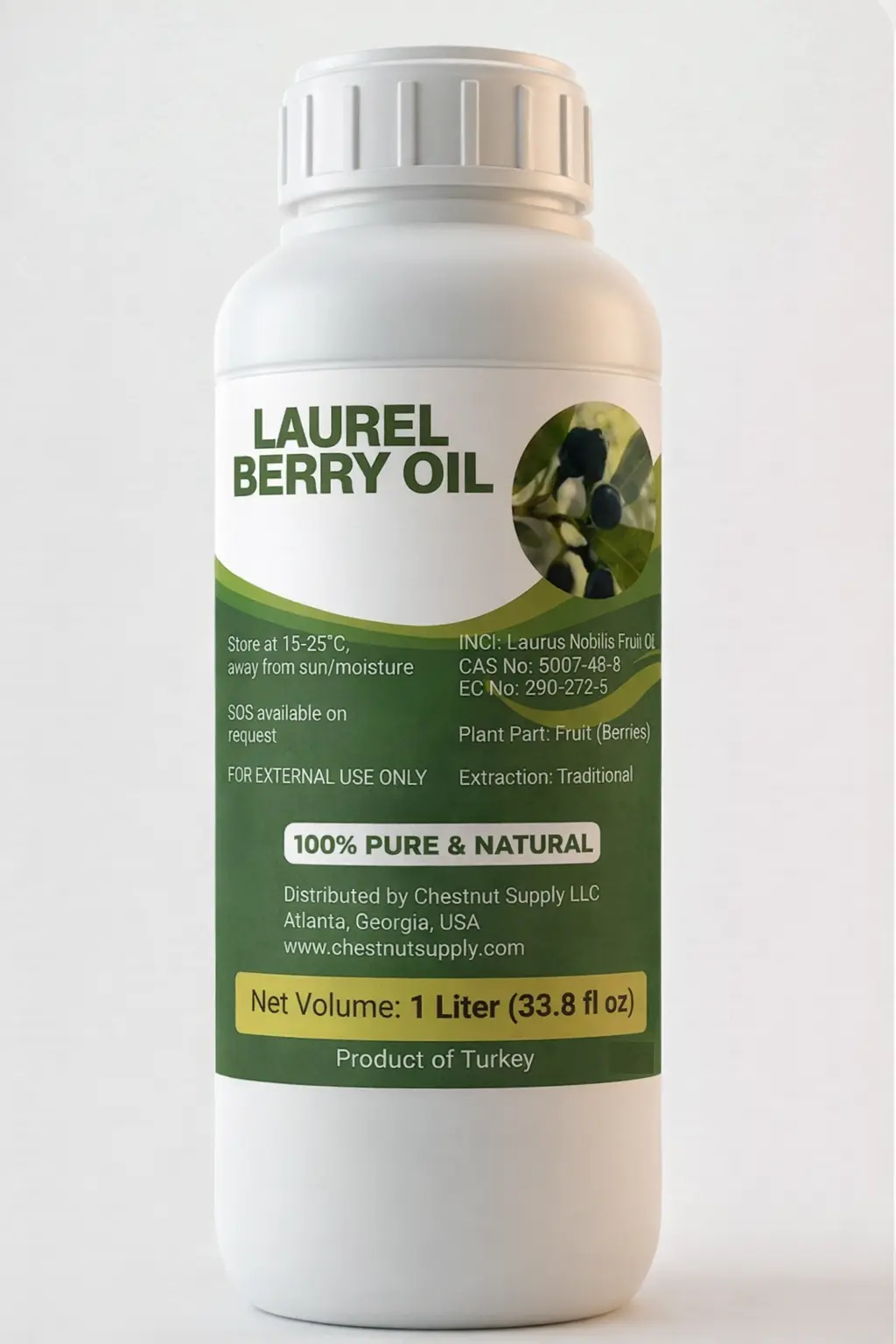
For ingredient sourcing context behind laurel percentages, see our wholesale laurel berry oil page, where we explain documentation and lot consistency used by soap makers.
Step-by-Step: How to Use Aleppo Soap on Your Face
- Wet your face with lukewarm water, not hot water, because heat can widen capillaries and increase irritation in reactive skin.
- Build foam in wet palms first instead of rubbing the bar directly on your face.
- Apply the foam in light circular motions for 30 to 60 seconds, and keep product away from the eye area.
- Optional: leave the foam for one to two minutes for a mild mask-style contact time.
- Rinse thoroughly with cool water until skin feels clean with no residue.
- Pat dry gently, never rub, then finish with a non-comedogenic moisturizer.
We do not recommend using bar soap as a leave-on mask. It is a rinse-off cleanser: lather, wash, rinse, then moisturise.
Aleppo Soap as a Shaving Soap (For Men)
Aleppo soap is also practical for classic wet shaving, and this angle is often overlooked in face-care guides. When worked with warm water, it builds a creamy lather that supports razor glide and can reduce drag on sensitive jawline and neck areas. Olive oil helps the blade move more smoothly, while laurel content adds conditioning that many users prefer after shaving.
Use it in two simple ways. You can run a wet bar over damp skin and build lather with a shaving brush, or lather it in your hands first and apply directly. Shave as usual, rinse with cool water, then use a lightweight moisturizer or mild aftershave. For many men, the 20% to 30% range gives the best balance between conditioning and cleaner post-shave feel.
Common Mistakes When Using Aleppo Soap on Your Face
The biggest mistake is starting too high. Jumping straight to 40% often leads to tightness and irritation, especially if your skin barrier is already stressed. Another frequent issue is rubbing the bar directly on the face, which increases friction and can inflame active spots. Build foam first, then apply the foam, not the hard bar.
Skipping moisturiser is another common mistake. Aleppo soap is a cleanser, not a leave-on hydrator, so a moisturiser afterwards is part of the routine rather than an optional extra. And if the bar irritates your skin, that is a reason to stop — not a phase to wait out.
Storage matters more than people think. Leaving the bar wet between washes makes it soften and melt faster, which changes dosing and shortens lifespan. Keep it in a dry, ventilated dish so each use is consistent.
Where Sekiya's Aleppo Soap Comes From
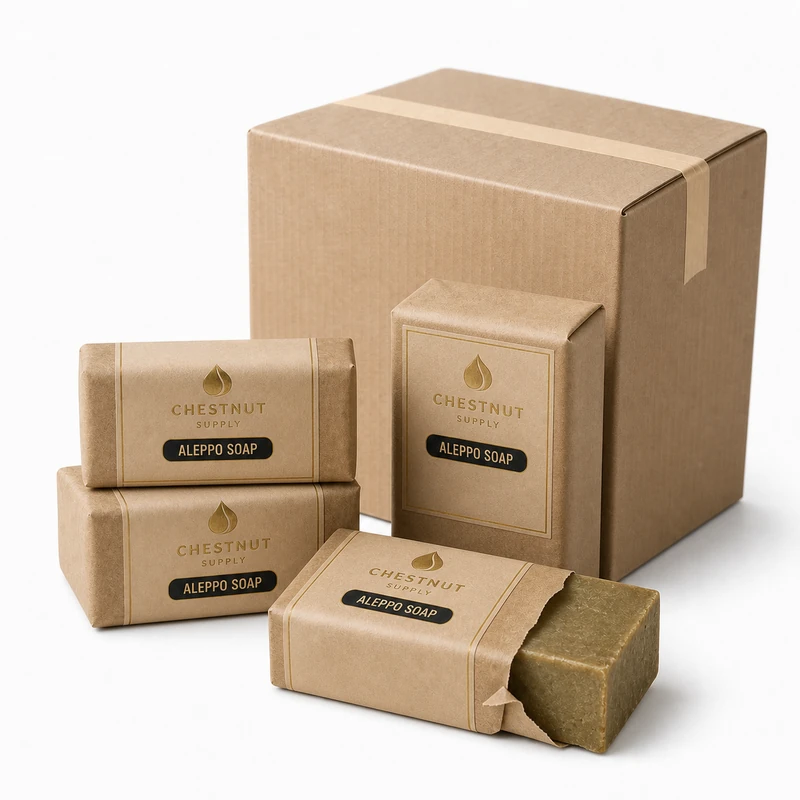
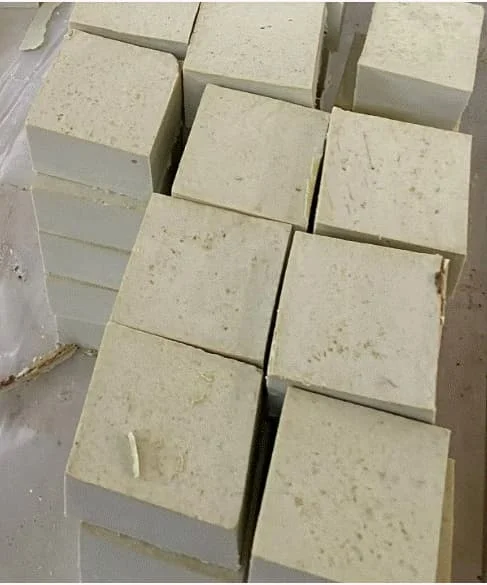
Sekiya sources Aleppo soap from Hatay, Turkey, where traditional Aleppo-style production continues with established local expertise. The formula stays clean: olive oil, laurel berry oil, lye, and water, with no extra fillers. Laurel percentage is matched to COA-backed documentation for lot consistency. U.S. fulfillment ships from our Georgia warehouse for faster delivery and simpler restocking.
If you are buying for resale or studio volume, visit /wholesale/aleppo-soap for wholesale and private label options.
Ready to Try?
If you want to test routine fit first, start with our retail Aleppo soap product page at /aleppo-soap. If you are ordering for store shelves or larger projects, use /wholesale/aleppo-soap for bulk details. If you want help choosing the right percentage for your skin or business use case, contact us at /contact.
A practical start is simple: pick one percentage, keep the rest of your routine stable, and track your skin for at least three weeks before making changes. Consistency gives you better feedback than switching products every few days.
Verified Aleppo Soap Facts
| Ingredients | Olive oil, laurel berry oil, water — lye fully consumed in saponification; no palm oil, fragrance or colorants (vegan) |
| Method | Traditional hot process, cured 9–18 months — Hatay, Türkiye |
| Laurel content | 20% laurel berry oil grade in US stock; 5%, 10% and 40% grades on custom order |
| Heritage | Craftsmanship of Aleppo Ghar soap (Syria) inscribed by UNESCO as intangible cultural heritage, 2024 — a craft recognition, not a product certification |
| Availability | US stock (Georgia) — wholesale multi-packs, no pallet MOQ · retail packs & pricing |
Facts reflect Sekiya Sourcing's stocked Aleppo soap; batch documentation (COA/MSDS) available on request.