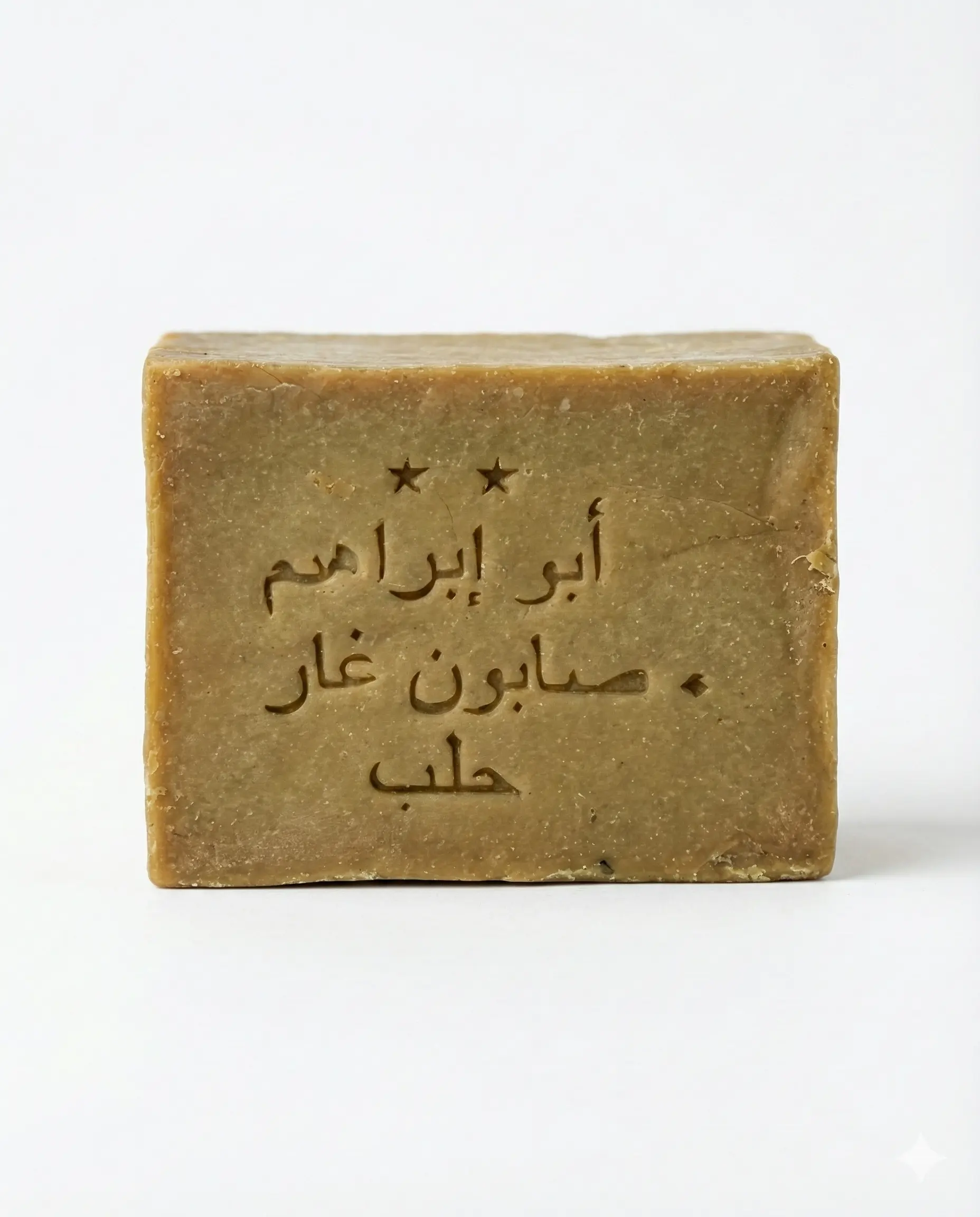
Most commercial shampoos rely on strong detergents like SLS (sodium lauryl sulfate). They clean quickly, but over time many people notice the same pattern: dry lengths, irritated scalp, and hair that feels dull even right after washing. Aleppo soap sits outside that formula style with only four core ingredients and no synthetic detergent boosters. The catch is technique. If you use it like regular shampoo, results can disappoint. If you use it correctly, it can become a solid long-term routine.
Why Aleppo Soap Can Work as a Shampoo
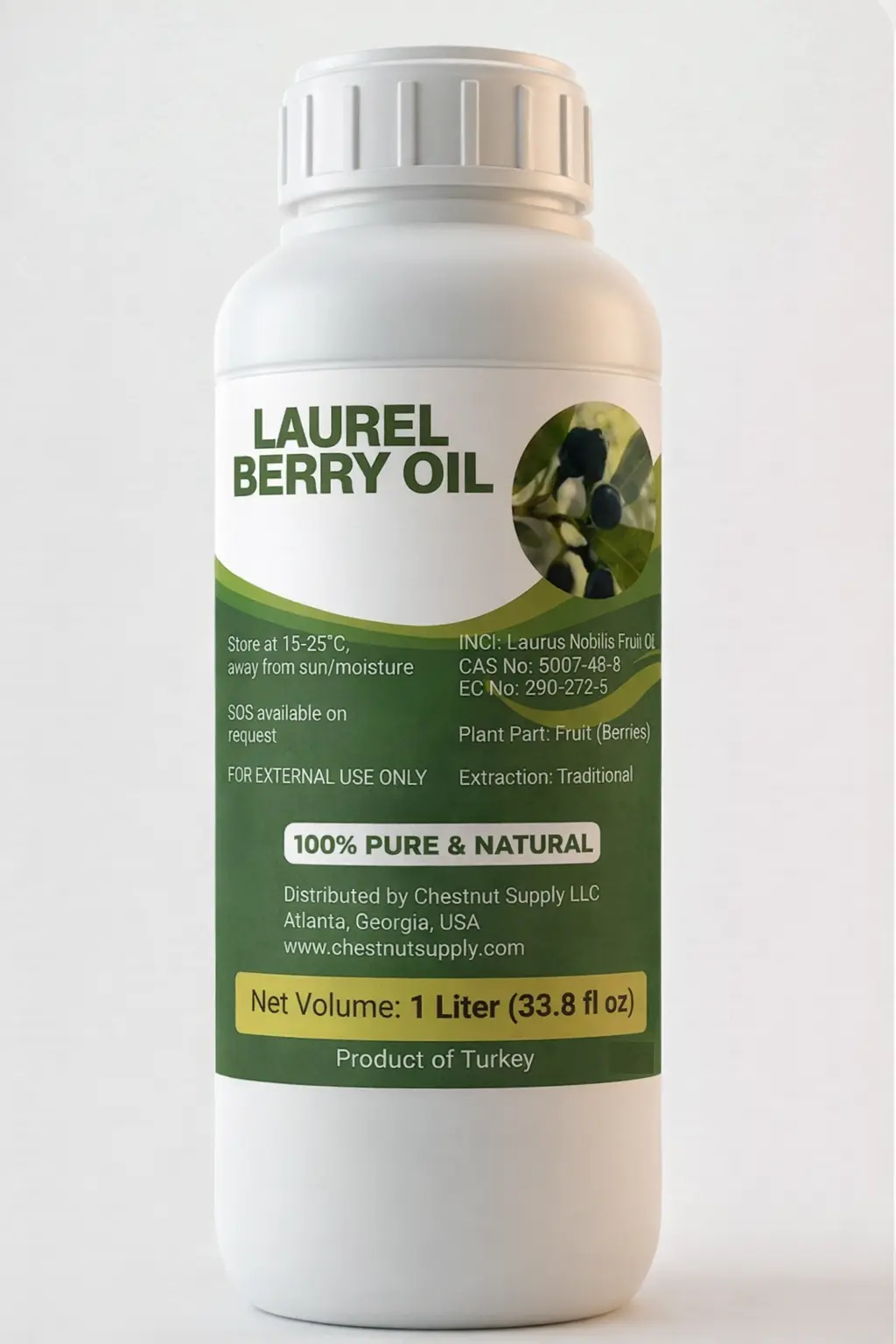
Aleppo soap can work for hair because the ingredient balance is simple and functional. Olive oil is traditionally used to support both scalp comfort and hair fiber flexibility, which may help reduce brittle feel over time. That matters for users dealing with flaky, reactive scalp patterns where buildup and imbalance are common. If you want to understand laurel sourcing at ingredient level, our wholesale laurel berry oil page breaks down quality documentation and lot consistency.
The lye concern is understandable, but in finished soap the process is saponification. The alkali is consumed in the reaction, so a properly made bar does not leave free active lye on your scalp. Final soap pH usually sits around the alkaline range, often near 8 to 9, which is why aftercare matters.
Compared with SLS shampoos, Aleppo tends to clean without fully stripping your oil barrier in one pass. That is why some no-poo and low-tox users report a calmer scalp after transition. Honest note: it is not ideal for everyone. Very dry hair, heavily bleached hair, or chemically treated strands can feel rough or flat without an acid rinse and proper end care. The method below is what makes the difference.
Which Laurel % for Your Hair Type?
Normal or oily scalp: 12% to 20%. This range is usually the best everyday balance between sebum control and scalp comfort. Many people in this group can wash daily or every other day, especially in warm weather or active routines. It is also a practical entry point for early dandruff management where scalp feels oily at the root but not overly dry at the ends.
Dry or sensitive scalp: 5% to 12%. Lower laurel usually means a gentler feel and more olive-leaning conditioning. This range works for users who react easily to aggressive cleansers, have tight scalp after wash, or feel irritation from frequent product changes. For sensitive scalp patterns, many users still start around 12% and then adjust based on tolerance rather than jumping to very high percentages.
Problematic scalp (visible flakes, seborrheic tendencies): 20% to 30%. A firmer, more thoroughly cleansing bar is commonly sought in this range. Most users do better at two to three washes weekly instead of daily use. More frequency is not always better in this bracket, because over-cleansing can trigger rebound oil and extra irritation.
Oily fine hair: 12% to 20%. Fine hair benefits from cleaner roots and lighter finish, but very high laurel percentages can feel too strong and sometimes leave strands less soft. Staying in the mid range usually gives better volume and easier comb-through after rinse.
Curly or coily hair: 12% to 20% plus conditioner. Aleppo can work in curly routines, but only if you protect moisture steps. ACV rinse and follow-up conditioner are not optional here. Very high percentages like 40% can feel too strong for many curl patterns and may increase dryness in already thirsty hair.
If you are unsure where to begin, start at 20%. It is usually the safest middle ground for sebum control while staying manageable for most hair and scalp types.
Step-by-Step: How to Wash Hair with Aleppo Soap
- Soak hair thoroughly with lukewarm water. Cold water at this stage can reduce cleansing performance because cuticles stay tighter.
- Create lather in wet hands first, or glide the bar briefly on scalp zones if you have dense hair.
- Massage foam into scalp for 1 to 3 minutes using circular fingertip pressure, not nails.
- Pull remaining foam through lengths, but do not let ends sit coated for too long.
- Rinse very well with lukewarm water until no slippery soap feel remains.
- Apply ACV rinse immediately after soap rinse for cuticle balance.
- Finish with a cool rinse to help close cuticles and improve shine feel.
If first wash produces low foam, do not panic. Oily scalp or heavy styling residue can consume lather in round one. A short second wash often gives a fuller foam and cleaner finish. Keep the second pass quick and focus on scalp rather than lengths.
The ACV Rinse — Why It's Non-Negotiable
This is the part many people skip, then conclude Aleppo does not work for hair. Soap is alkaline, and hair cuticle behaves differently in alkaline conditions. If cuticle remains too open, hair can look matte, snag more, and feel rough. Apple cider vinegar is acidic and may help bring the surface back toward smoother behavior after washing.
Practical mix: 1 to 2 tablespoons ACV in about 500 ml water. You can also dilute into 1 liter if you want a lighter first experience. Pour it through scalp and lengths after soap rinse, leave it for 1 to 2 minutes, then rinse with cool water. Many users ask whether ACV must stay in. If scent bothers you, a cool-water rinse is fine and still useful.
Hard water makes this step even more important. In many U.S. regions, minerals react with soap and can leave a waxy film often called soap scum. That is not always product failure; it is usually soap plus mineral interaction. ACV helps dissolve and reduce that film, which is why wash results can change dramatically once rinse consistency improves.
The Transition Phase — What to Expect
Week 1-2: Hair may feel heavier, oilier, or unusual in texture. Your scalp is adjusting from detergent-style cleansing to soap-based cleansing, and sebum rhythm is not stable yet. This phase is uncomfortable but common, especially for users switching directly from strong sulfate shampoos.
Week 2-4: Sebum output often starts to settle. Many users report fewer urgent wash days, lighter scalp feel, and easier styling between washes.
Week 4+: This is where many routines reach a new baseline. Flakes may look reduced for some users, and scalp irritation may feel less reactive when rinse steps are consistent.
You can speed adaptation by increasing ACV slightly in the first two weeks, for example 2 tablespoons per 500 ml water, then stepping down once buildup improves. Keep expectations realistic. Transition is not linear; weather, water hardness, and product history all affect timeline.
Common Problems & Fixes
Problem: Hair feels waxy or heavy. Increase ACV concentration, rinse longer, and if your tap water is very hard test filtered rinse water for one week. Most waxy complaints come from mineral interaction, not from Aleppo itself.
Problem: Hair looks dry and dull. Move to a lower percentage, around 12%, protect ends with a light leave-in or a few drops of argan or coconut oil, and never skip ACV. Dryness usually improves when cleansing strength and moisture steps are rebalanced.
Problem: More shedding than expected. In early transition some users notice more visible shedding in shower, often because scalp cleansing dislodges strands already in resting phase. Track this over three to four weeks before judging the routine.
Problem: Dandruff seems worse at first. A temporary adjustment period can happen. Keep routine steady with 20% to 30% use plus regular ACV and reassess after several weeks instead of changing products every wash.
If you are also refining face routine, our guides on Aleppo soap for face and Aleppo soap for acne can help you keep ingredient logic consistent across skincare and scalp care.
Where Sekiya's Aleppo Soap Comes From
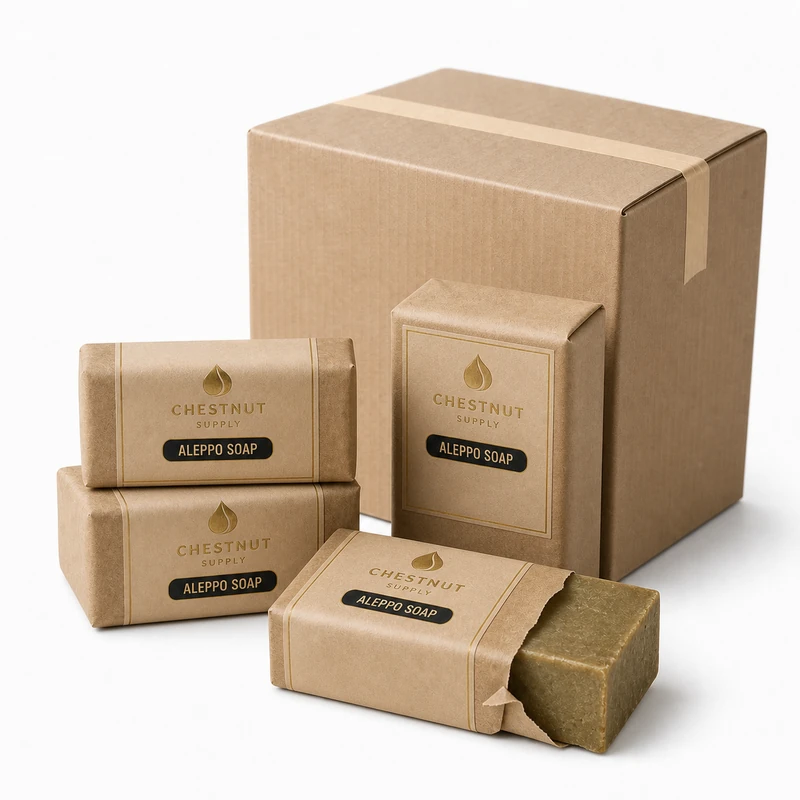
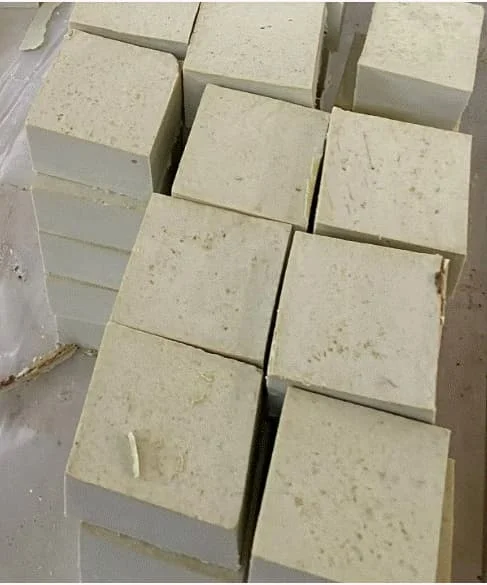
Sekiya sources Aleppo soap from Hatay, Turkey, where traditional Aleppo-style production continues with regional expertise and stable ingredient supply. Formula stays simple: olive oil, laurel berry oil, lye, and water. Laurel percentage is COA-backed per lot for cleaner purchasing decisions. Inventory ships from Georgia, so U.S. fulfillment stays fast and straightforward.
If you need larger supply for retail or private label planning, visit /wholesale/aleppo-soap.
Ready to Try?
Start with the retail Aleppo soap product page at /aleppo-soap and run the method consistently for at least three to four weeks. For wholesale or business volume, use /wholesale/aleppo-soap. If you want a sample discussion or personalized guidance before ordering, contact us here: /contact?subject=sample-request.
Verified Aleppo Soap Facts
| Ingredients | Olive oil, laurel berry oil, water — lye fully consumed in saponification; no palm oil, fragrance or colorants (vegan) |
| Method | Traditional hot process, cured 9–18 months — Hatay, Türkiye |
| Laurel content | 20% laurel berry oil grade in US stock; 5%, 10% and 40% grades on custom order |
| Heritage | Craftsmanship of Aleppo Ghar soap (Syria) inscribed by UNESCO as intangible cultural heritage, 2024 — a craft recognition, not a product certification |
| Availability | US stock (Georgia) — wholesale multi-packs, no pallet MOQ · retail packs & pricing |
Facts reflect Sekiya Sourcing's stocked Aleppo soap; batch documentation (COA/MSDS) available on request.